Ben Raines, the award-winning environmental journalist, filmmaker, and charter captain whose documentary and book “Saving America’s Amazon” gave the Mobile-Tensaw Delta its internationally recognized name, weighed in Wednesday on the Stockton solar controversy during an appearance on FM Talk 106.5’s “Midday Mobile with Sean Sullivan.”
His verdict on the land itself was blunt.
“This property is not pristine Baldwin County Wetlands,” Raines said. “It’s heavily impacted already. It’s covered in planted pine – being grown, planted after being cut over.”
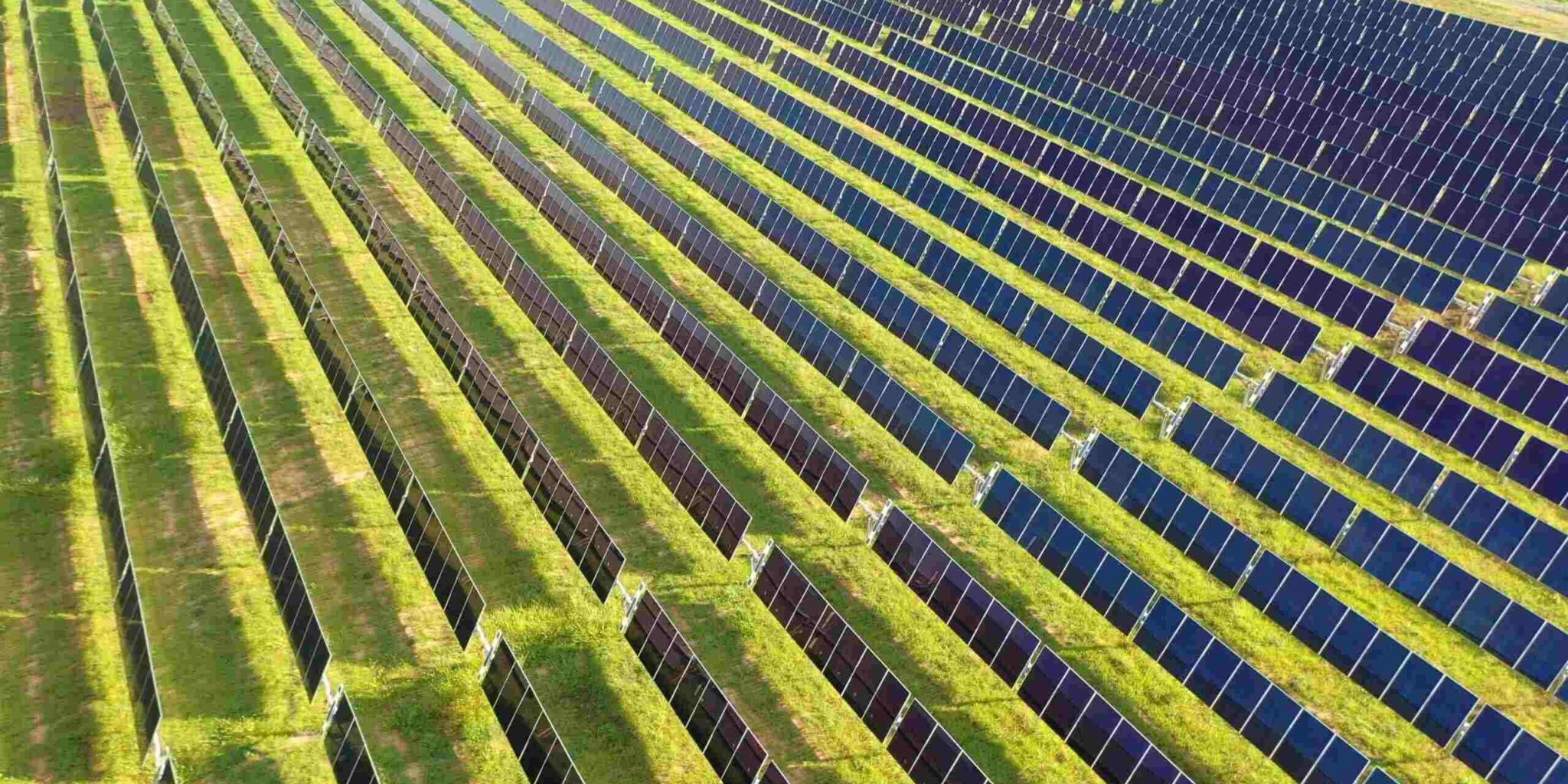
The property at the center of the controversy is the proposed site of a 260-megawatt Silicon Ranch solar farm, contracted to supply power to a Meta data center in Montgomery.
The project has drawn fierce local opposition, with residents saying they were blindsided by plans to convert more than 4,500 acres of Mobile County land to solar panels.
That backlash prompted State Sen. Greg Albritton (R-Atmore) to file SB354, a one-year statewide solar moratorium that has cleared committee and awaits a full Senate vote.
Albritton’s bill has drawn fierce opposition from industry.
The American Clean Power Association, the national trade group representing utility-scale solar developers, expressed to Albritton in a letter this week that a statewide moratorium could hamper an industry employing more than 3,000 Alabamians and send a message to businesses nationwide that Alabama is an unpredictable place to invest.
Ben Raines, whose credibility on Delta ecology is unmatched in the state, acknowledged that beautiful waterways run through the property, specifically calling out Rains Creek, a spring-fed tributary with some personal affection — but he said the broader land picture matters enormously in these decisions.
“EO Wilson described planted pine plantations as biodiversity deserts,” he said, referencing the legendary Alabama-born Harvard biologist who wrote the foreword to Raines’ own book. “That’s what we’re looking at for most of this property.”
Raines also noted that a large residential subdivision had previously been proposed for the same site — and that such development would be “so much more destructive” to the surrounding creeks and Delta ecosystem than solar panels.
“A solar farm can easily avoid the wetlands and not have a dramatic impact on these creeks,” he said, “versus a subdivision or a factory site.”
Raines argued if something is going on that land, solar isn’t the worst option, and Alabamians should be careful which hills they choose to defend.
“You’ve got to pick your ditch to die in,” he said, quoting one of his old editors, “because you can’t die in every one of them.”
Grayson Everett is the editor in chief of Yellowhammer News. You can follow him on X at @Grayson270.