As Alabama continues to grow and evolve, so too must our approach to addressing critical needs within our community. Today, our education system faces a shortage of prospective teachers, and we need to be creative and innovative in developing solutions.
That is why I have introduced legislation creating the Military Veteran Temporary Teaching Certificate (SB149), a new and exciting opportunity to tackle both issues head-on.
This teaching certificate allows qualified veterans to provide instruction in specific subject areas where a bachelor’s degree is otherwise required.
By recognizing the value and unique skill sets veterans possess, we open the door to more flexible and adaptable ways to enrich our educational system.
This approach has been tried in our neighboring state, Florida, and has been extremely successful.
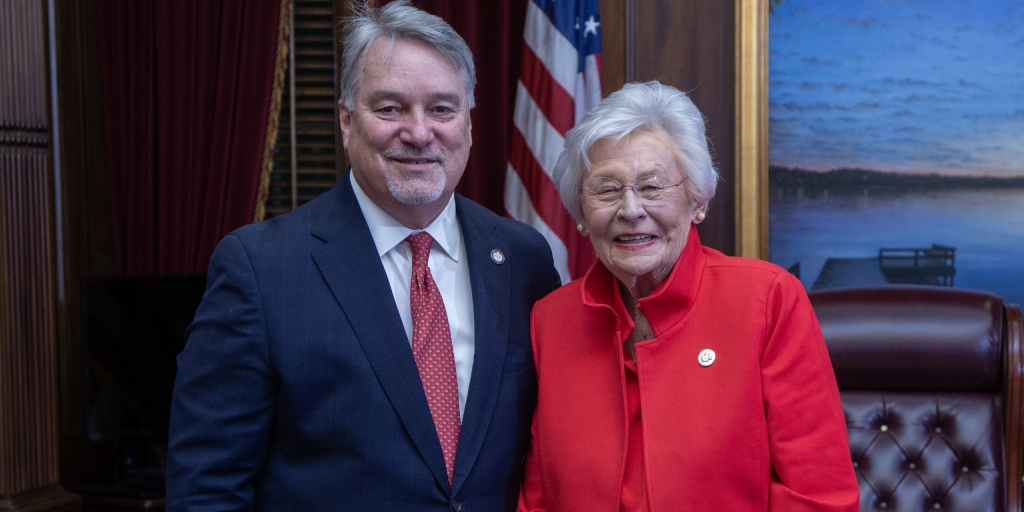
First, I want to thank Governor Ivey for her strong support of this veteran-friendly legislation. During her State of the State address last week, Governor Ivey included SB149 among her legislative priorities.
She understands that our students, our veterans, and our communities across the state of Alabama will all benefit from this important partnership.
Last week, SB149 passed the Alabama Senate with unanimous bipartisan support. This legislation allows the Alabama State Department of Education (ALSDE) to issue temporary teaching certificates to eligible veterans who would otherwise need at least a bachelor’s degree.
This bill not only strengthens our teacher recruitment efforts but also creates a clear, meaningful pathway for Alabama’s veterans to continue serving by bringing their leadership, discipline, and real-world experience into our classrooms. Our students, our veterans, and our communities across Alabama will all benefit.
Why veterans, you might ask? Veterans epitomize service, resilience, and leadership—the very qualities we need in our classrooms. They have also received specialized, high-quality, and often advanced technical training while serving in the military.
They have faced extraordinary challenges and thrived, often in high-pressure environments. Who better to inspire and lead our children than those who have served our nation with that level of dedication?
Imagine a mathematics course taught by a former Navy electronics specialist or a history class enriched by the firsthand experiences of an Army officer with an extensive knowledge of global affairs.
Their experience and real-world expertise will enhance students’ learning, making lessons more engaging and impactful.
Our schools are at the heart of our communities. By enabling veterans to serve as educators, we foster an environment of respect, understanding, and excellence.
With thoughtful oversight from educational institutions, we can ensure this transition is seamless and well-supported, allowing veterans to take on these new roles with confidence.
Furthermore, this bill aligns with our goal to make Alabama the most military-friendly state in the nation.
By offering veterans a viable and fulfilling career path in education, we not only enrich our schools but also encourage these skilled individuals to plant their roots in our communities. Retaining veterans in Alabama strengthens our local economies and enriches the social fabric of our neighborhoods.
In conclusion, the Military Veteran Temporary Teaching Certificate is not merely a response to current educational staffing challenges.
It is a testament to how we can creatively and respectfully acknowledge the contributions of our veterans, crafting a future where their service continues to inspire and benefit the next generation. It’s time we give back to those who have already given so much by welcoming them into one of the most noble professions—teaching.
Let us seize the opportunity to improve our education system while honoring those who have served our nation.
Representative Matt Woods represents Alabama State House District 13, which covers parts of Walker County. He is also the Republican nominee candidate for State Senate District 5. You can contact him at [email protected].