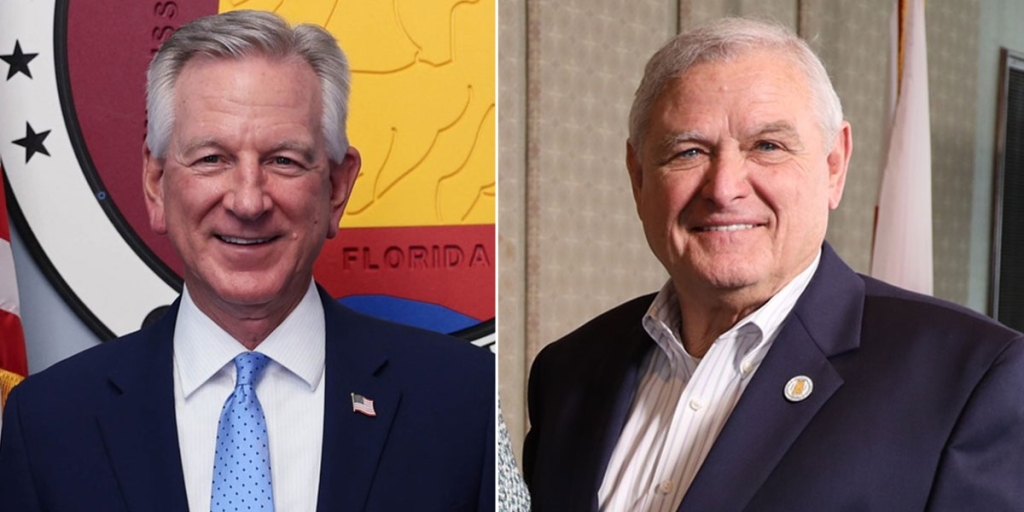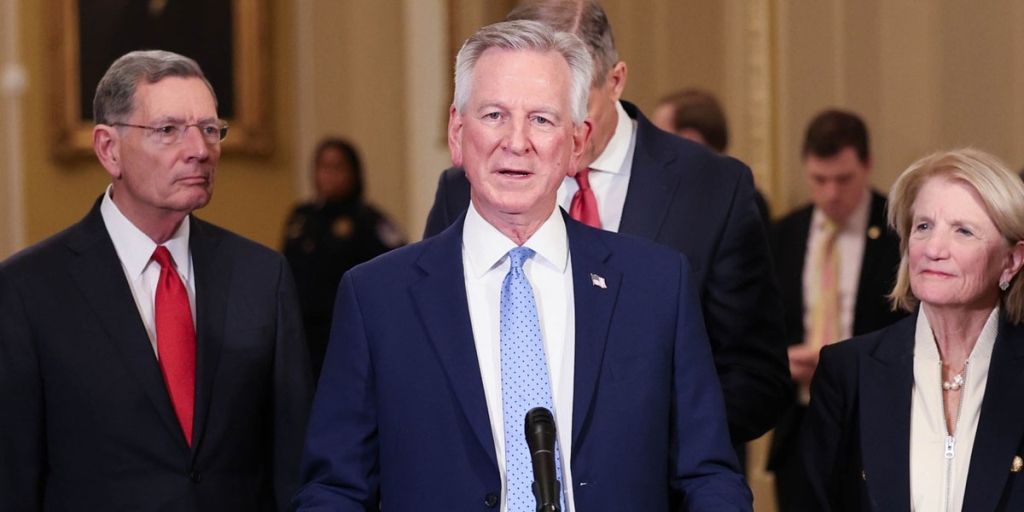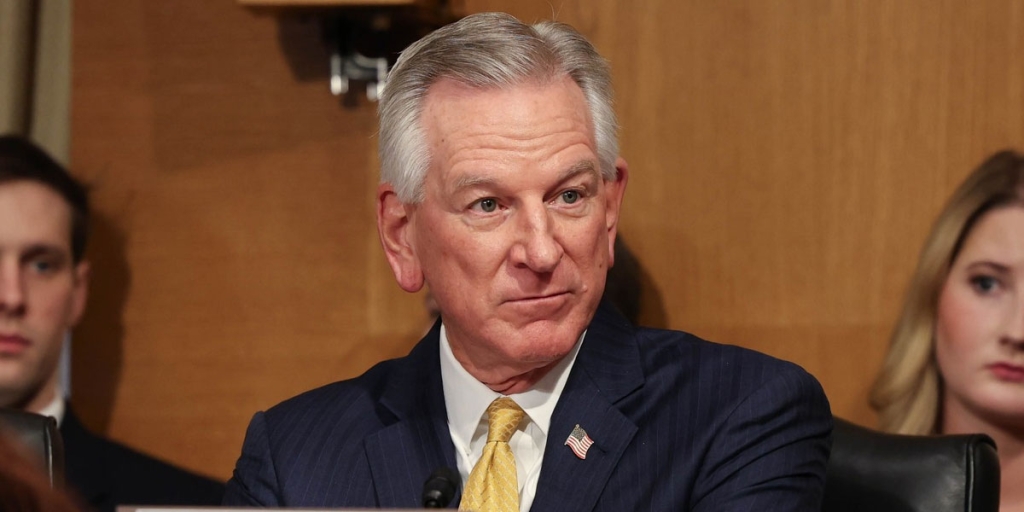
U.S. Senator Tommy Tuberville represents Alabama in the United States Senate and is a member of the Senate Armed Services, Agriculture, Veterans’ Affairs, HELP and Aging Committees. Tom Neely is Chairman of Birmingham-based Oxford Pharmaceuticals.
While many of us try our best to forget the COVID pandemic in 2020, one serious issue that was revealed during that chaotic time is still impacting us today—our reliance on other countries for medications.
Most Americans are so used to taking medicines that they don’t stop to think where the medicine in their cabinets is coming from.
The pandemic revealed how dangerous it is for the United States to be completely reliant on other countries for medications we could be making right here at home.
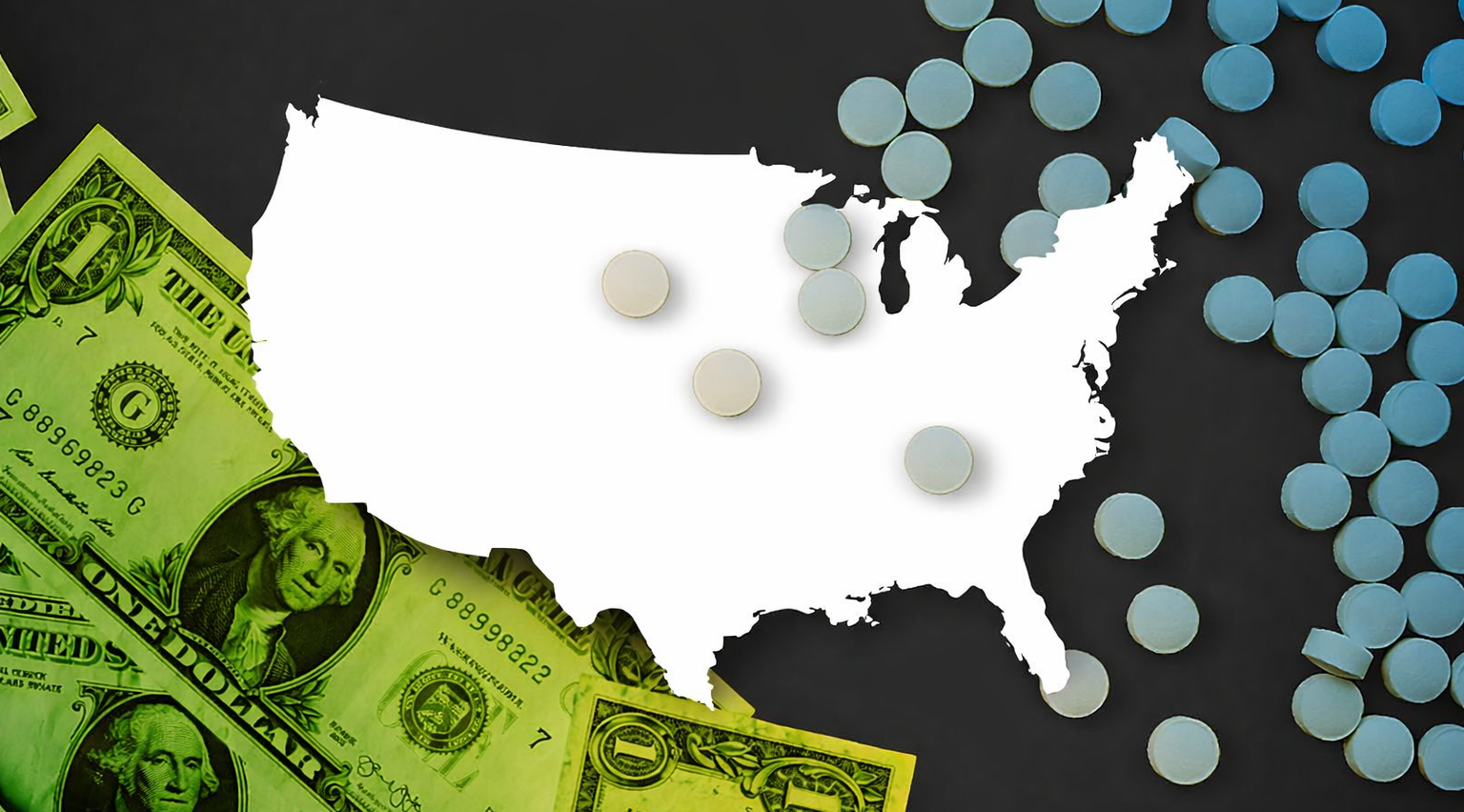
More than 90 percent of the prescriptions filled in the United States each day are generic drugs. Those medicines keep our families healthy, help seniors manage chronic conditions, and ensure our troops and veterans get the care they deserve.
But the vast majority of those generics are no longer made in America. They’re made overseas—primarily in China and India.
That didn’t happen by accident. It happened because Washington let it happen.
For years, we offshored generic drug manufacturing in the name of lower costs and “efficiency.” What we got instead was dependence on foreign supply chains, chronic drug shortages, and serious questions about quality and safety. That’s not efficiency. That’s negligence.
Americans are paying the price of Washington’s poor decisions. Last year, we spent $5.7 trillion on health care. Yet, we’re still the sickest and fattest country in the world. It’s embarrassing.
I appreciate President Trump and HHS Secretary Robert F. Kennedy for wanting to ‘Make America Healthy Again.’ Part of this involves producing our own medicine.
A major study published in 2025 found that generic drugs manufactured in China and India are 54 percent more likely to cause severe adverse health events than comparable drugs made in the United States or Europe.
Severe means hospitalization—or worse. These are medicines people take every day, trusting they’ll make them better, not harm them.
Anyone who’s toured a modern domestic pharmaceutical facility has seen the quality difference between foreign-made and American-made medications firsthand. American plants operate under strict standards, constant inspection, and a basic moral obligation: we’re making medicine for our neighbors, our parents, and our kids.
That same accountability does not exist overseas. FDA inspectors have documented animals in production areas, shredded quality records, and contaminated batch logs in foreign facilities supplying the U.S. market.
Critics of American-made medicines argue that they’re too expensive. The reality is we don’t have a cost problem. We have a policy problem. The United States still has the capacity to make generic drugs at home. Some American facilities are operating at 50 percent utilization or less.
Alabama is home to such facilities, like Oxford Pharmaceuticals located in Birmingham, Alabama. It produces a generic tablet for a little over one cent per pill.
A bottle of 100 doses costs about $1.50 to make. Medicare reimburses that same bottle at more than $13. The money is there—it’s just being siphoned off by a supply chain that rewards middlemen and foreign producers instead of American workers and patients.
We can quickly return to ‘Made in America’ when it comes to medicine if we put the right incentives in place. First, we should use federal procurement to support domestic manufacturing.
The federal government is one of the largest buyers of medicines in the world—through Medicare, Medicaid, the VA, and the Department of Defense.
We should use that buying power to prioritize U.S.-made generics and provide long-term contracts that give manufacturers the confidence to invest and expand.
Second, we need targeted trade enforcement. Generic drugs are essential medicines. If we’re serious about reshoring them, then trade policy—including Section 232 actions—has to address generics directly.
There is no national security crisis in branded pharmaceuticals. The crisis is in generics, where foreign dependence has hollowed out domestic production and left us exposed.
Third, we need transparency. Americans should be able to know where their medicines are made. Right now, it’s often impossible to tell. That’s nonsensical.
If country-of-origin labeling matters for food, it should matter for medicine. No country should rely on its top adversaries for the medicines that keep its people alive.
Americans deserve better than the status quo. We can’t wait for another pandemic to hit to take this seriously. It isn’t just a health crisis; it’s an urgent national security concern as well.
We haven’t been preparing to win in America when it comes to our generic drug supply chain, and we are another disruption away from failure.
Making medicine in America again isn’t radical. It’s common sense. And it’s long overdue.