As the Alabama Legislature enters its final days of the 2026 regular session, budget leaders say lawmakers are taking a cautious approach—holding spending growth under 1% and prioritizing long-term stability over short-term gains despite strong state revenues.
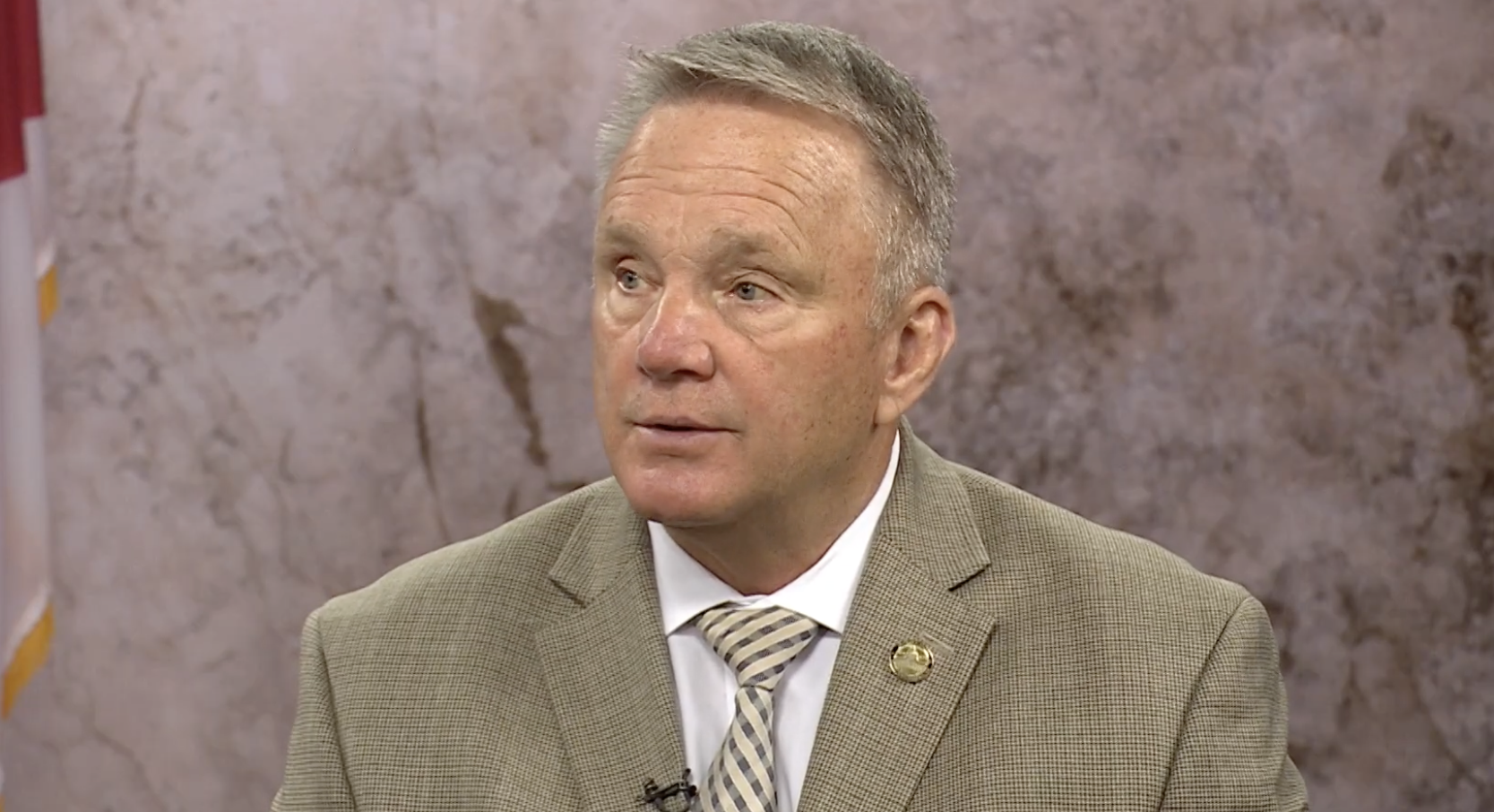
State Rep. Rex Reynolds (R-Huntsville), chairman of the House General Fund Budget Committee, said the Legislature’s approach reflects a deliberate effort to prepare for expected revenue declines tied to the end of federal pandemic-era funding.
Speaking on Capitol Journal, Reynolds described the General Fund budget as “very conservative,” saying lawmakers intentionally limited growth even as revenue remained strong.
“We were less than 1% proposed for the 2027 budget over the 26 budget,” Reynolds said. “And as I told my colleagues yesterday during caucuses that, you know, this is the message we’ve been trying to send all along, is that you’re going to see some areas where we have good revenue. We’ve got some cash in hand. But we absolutely got to hold on to that money and push it to the 28 and 29 budget cycle.”
Reynolds said the budget was built in close coordination with Senate leadership to stay within a defined revenue target, even as adjustments were made to key programs. Among those changes, lawmakers restored funding to the SEEDS economic development program and maintained support for airport infrastructure projects across the state.
Reynolds said lawmakers prioritized infrastructure investments, including continued funding for airport improvements across Alabama.
“Our airport grant funding has been great. We’ve done that. We’ve been consistent for the last three budget cycles, four counting this one. We were at $15 million. That’s critical for our airports,” he said.
The spending plan also includes a 2% cost-of-living adjustment for state employees, which Reynolds said lawmakers were committed to preserving.
“We were able to keep that in there. I’m certainly proud of that,” he said.
Lawmakers also approved a one-time bonus for retirees after what Reynolds described as overwhelming support among House members.
“It seemed like it was overwhelming. They wanted to do something for the retirees,” Reynolds said.
A central focus of the Legislature’s budget strategy this year is the anticipated drop in revenue tied to federal COVID-era funding and interest earnings on those funds.
Reynolds said the state is already beginning to see changes.
“We have already seen some months where we’ve had a decline in interest on state accounts,” he said, noting that large balances from federal relief funds had previously generated significant monthly income for the state.
While more than $500 million in federal funds remained in state accounts as of early March, Reynolds said those funds are expected to be gone by the end of 2026, reducing a major source of revenue for the state budget.
Reynolds emphasized that lawmakers avoided building the budget around temporary federal revenue.
“We absolutely did not rely on that. We did not grow government,” Reynolds said. “It’s not like we added additional personnel or additional services.”
Instead, lawmakers used surplus funds for one-time investments, including capital projects and a cash contribution toward the construction of a new Statehouse, which helped reduce long-term debt obligations. Reynolds said lawmakers put more than $229 million of cash into the new Statehouse, dropping annual debt service to $20 million.
Despite concerns about future revenue declines, Reynolds pointed to continued strength in Alabama’s economy, citing growth in key revenue streams.
“Our top three contributors to the general fund have been up,” he said. “We’ve seen insurance premium taxes up. We’ve seen SSUT up and also use tax, which I think it kind of contributes to the strong economy that Alabama has.”
To further safeguard the state’s financial position, Reynolds said he added language to the budget providing that if revenue exceeds projections by $300 million by the end of September, $20 million would automatically go into the General Fund reserve and another $20 million would go into the Medicaid reserve.
Reynolds also highlighted the level of bipartisan cooperation behind this year’s budget process, noting the General Fund passed the House unanimously in a 104-0 vote.
“We did very well,” he said.
He attributed that outcome to extensive collaboration before the bill reached the House floor.
“I probably spent almost an hour at the Democratic caucus yesterday and then about 30 minutes of the Republicans,” Reynolds said. “Very, very blessed to have colleagues that really come to the table and pay attention to what we’re doing with the budgets, and they feel confident when they walk on that floor.”
With just days remaining in the legislative session, Reynolds said the focus remains on final passage and ensuring the state is positioned to navigate future financial shifts.
“We’re cautiously doing some things to harden up the budget moving forward,” Reynolds said.
Sherri Blevins is a staff writer for Yellowhammer News. You may contact her at [email protected].