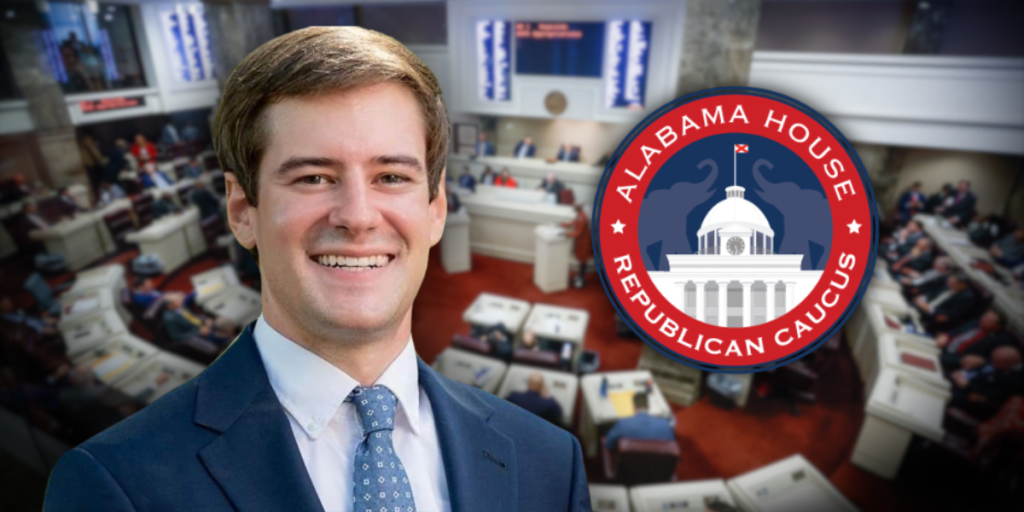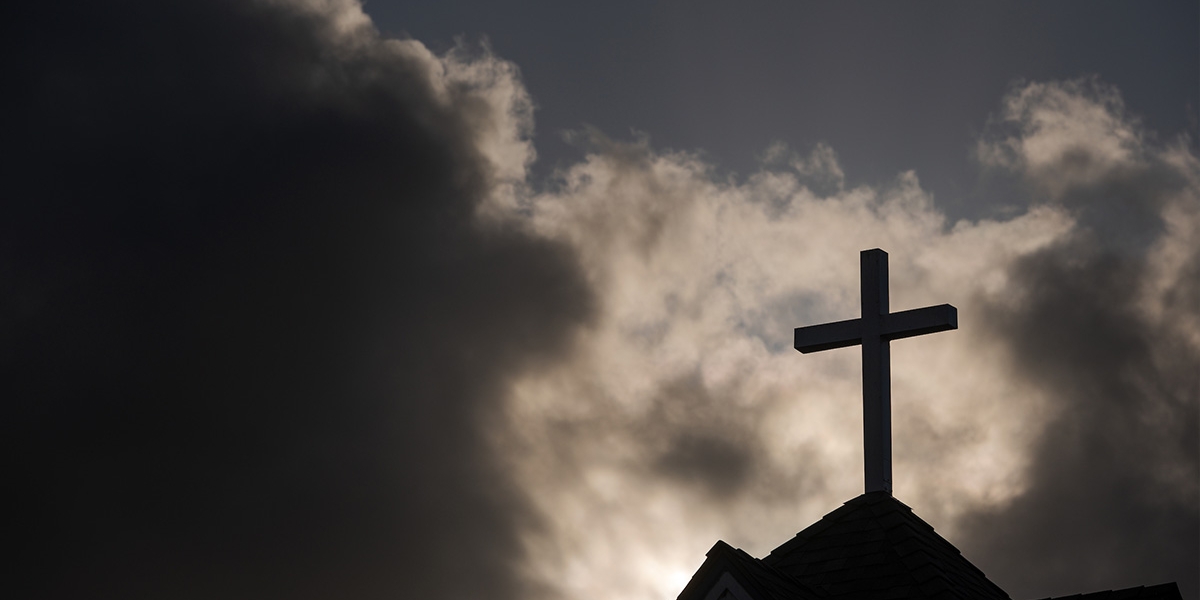
The Alabama House of Representatives passed HB363 Tuesday 75-27, creating a new criminal offense for disrupting church services and imposing felony penalties on violators.
The bill, sponsored by State Rep. Greg Barnes (R-Jasper), was filed in response to a protest at a Minneapolis church last month in which demonstrators disrupted a worship service to protest the presence of an ICE agent serving as a pastor. The incident drew national attention and resulted in federal arrests, including that of former CNN journalist Don Lemon.
Barnes said the bill is broader than its name suggests, applying to all religious institutions and tailored narrowly to address a specific threat.
“This is a religious protection bill that protects all religions, not just churches, synagogues, mosques, etc.,” Barnes said. “It’s a very narrowly tailored, narrowly scoped bill.”
Under the bill, it would be a Class C felony to knowingly enter a church, mosque, synagogue, or other place of worship during a scheduled service with the intent to disrupt it through riot, unlawful protest, disorderly conduct, or harassment.
Blocking access to church property would also constitute a violation. A second offense would carry the same felony charge plus a mandatory minimum of five years in prison.
The bill defines “unlawful protest” as three or more individuals gathering with the common purpose of creating an intentional disturbance or breach of the peace.
Barnes also pointed to what he described as a deteriorating security environment for houses of worship.
“The climate of the country against churches: every church that I know of now almost has armed members to protect the church,” Barnes said.
State Rep. Reed Ingram (R-Pike Road) voiced support for the bill’s penalties.
“I think there’s got to be consequences these days,” Ingram said. “We’ve got a lot more mental health out there and there’s a lot more issues. I appreciate you bringing the bill.”
State Rep. Chris England (D-Tuscaloosa) offered the sharpest criticism, arguing the bill was both legally unnecessary and practically unenforceable.
He argued the felony classification would make the law essentially toothless, since Class C felony charges require a grand jury warrant rather than allowing for immediate arrest.
“The likelihood is that no one will ever be arrested for this offense,” England said. “It will never happen. This is a bill that creates a solution desperately searching for problems. It’s theater. You see something on TV, you pass a bill, and you say you’ve done something about it — but all you’ve done is nothing.”
HB363 now heads to the Senate for consideration.
Tuesday was the 15th day of the Legislative session.
Sawyer Knowles is a capitol reporter for Yellowhammer News. You may contact him at [email protected].