For generations, stories of the Native Southeast have been carried forward through art, craftsmanship, and storytelling.
A new exhibit at the Poarch Creek Indians Museum is now offering visitors a rare opportunity to step inside that history and experience the images and traditions that helped preserve it.
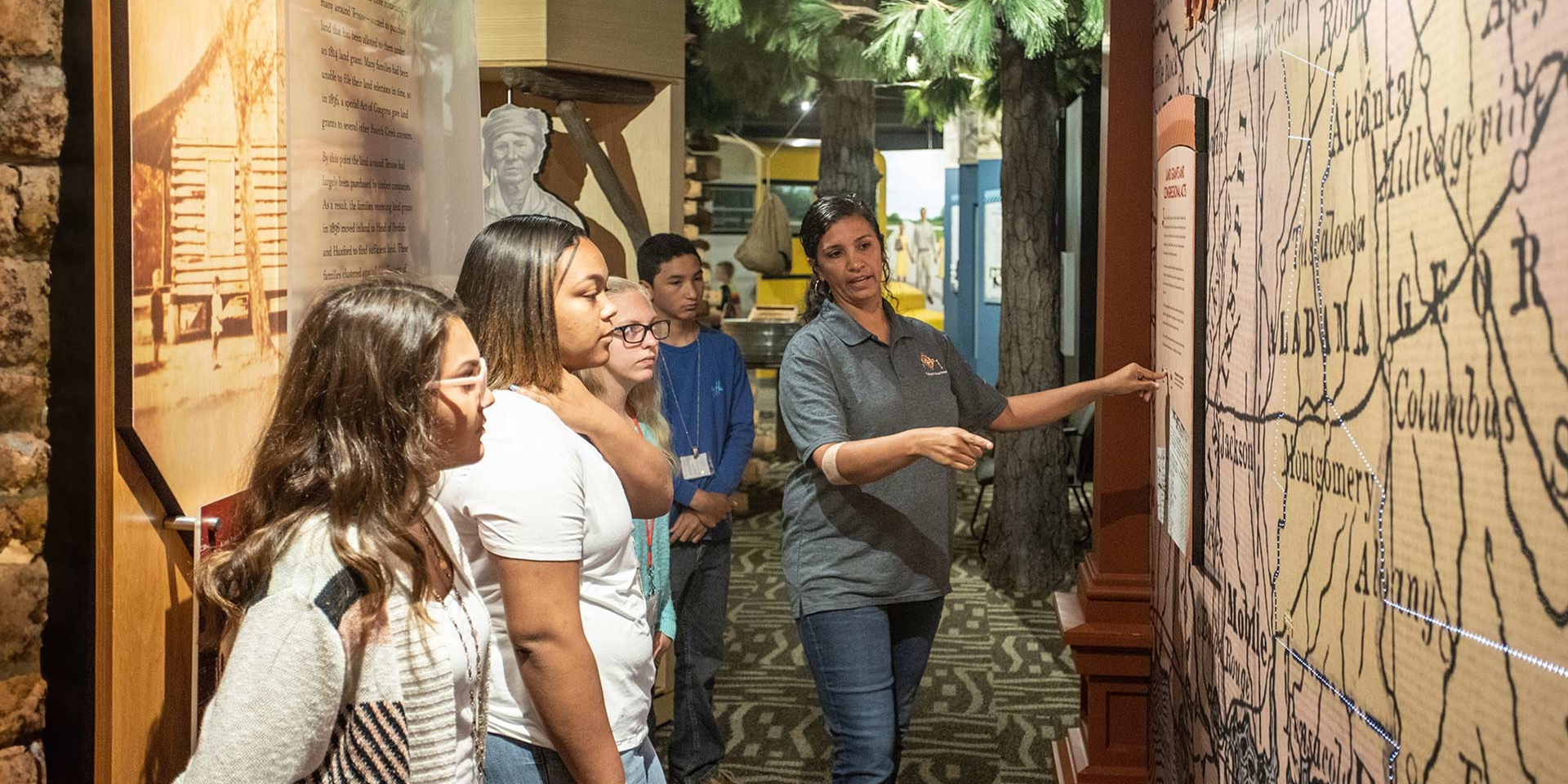
The exhibit, “Illustrating the Native Southeast: Art, Culture, and Traditions,” takes visitors behind the pages of two influential books that documented the daily life, customs, and artistry of Southeastern Native tribes.
The exhibit is on display at the museum in Atmore through November 2026, and admission is free.
At the center of the installation are two landmark works by Emma Lila Fundaburk: “Sun Circles and Human Hands” and “Southeastern Indians: Life Portraits.”
“Sun Circles and Human Hands” is widely regarded as one of the most influential books on Southeastern archaeology, documenting Native art and material culture, while “Southeastern Indians: Life Portraits” presents a rich collection of paintings and drawings by various artists. Together, the books preserve a visual record of Native life, artistry, and traditions across the Southeast.
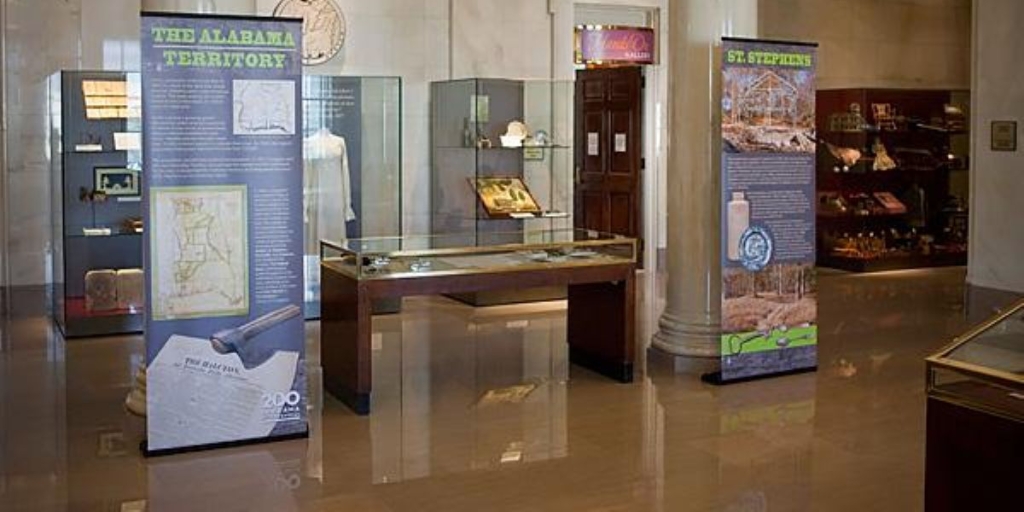
Visitors to the exhibit will see many of those images and themes brought to life through paintings, drawings, textiles, and objects connected to Southeastern Native traditions, offering a closer look at the craftsmanship and storytelling woven throughout the region’s history.
For the Poarch Creek Indians, however, the exhibit represents more than a collection of historical images. According to the museum, the traditions documented in the books remain part of living Native traditions carried forward through art, teaching, research, and community memory.
“These books’ enduring influence is shared and preserved in the images, designs, and histories that might otherwise have been lost,” according to the museum. “For the Poarch Creek Indians, the textiles, objects, and images recorded in these works are not relics of the past. They remain part of living traditions, carried forward through art, teaching, research, and community memory.”
“We’re proud and excited to share this new exhibit, from its memorable images to the histories they capture, with our community and everyone who visits the Poarch Creek Indian Museum,” said Amber Alvarez, Museum Director. “It’s a unique chance to experience this lasting record of Native art and life in the Southeast.”
The Poarch Creek Indians are descendants of a segment of the original Creek Nation, whose ancestral lands once stretched across much of Alabama and Georgia. Unlike many Native tribes, the Poarch Creeks avoided removal from their Tribal lands and have lived together for nearly 200 years in and around Poarch, Alabama.
The Tribe became federally recognized in 1984 and remains the only federally recognized Tribe in Alabama. Today, tribal leaders continue their efforts to preserve their heritage and traditions while strengthening their communities for future generations.
For visitors, the exhibit offers more than a look into the past. It also provides an opportunity to see how the traditions, artistry, and stories of the Native Southeast continue to shape the Poarch Creek Indian community today.
Sherri Blevins is a staff writer for Yellowhammer News. You may contact her at [email protected].