Opioid prescriptions and the strength of those prescriptions have continued to decline significantly in Alabama over the past decade, according to new data cited by the Medical Association of the State of Alabama.
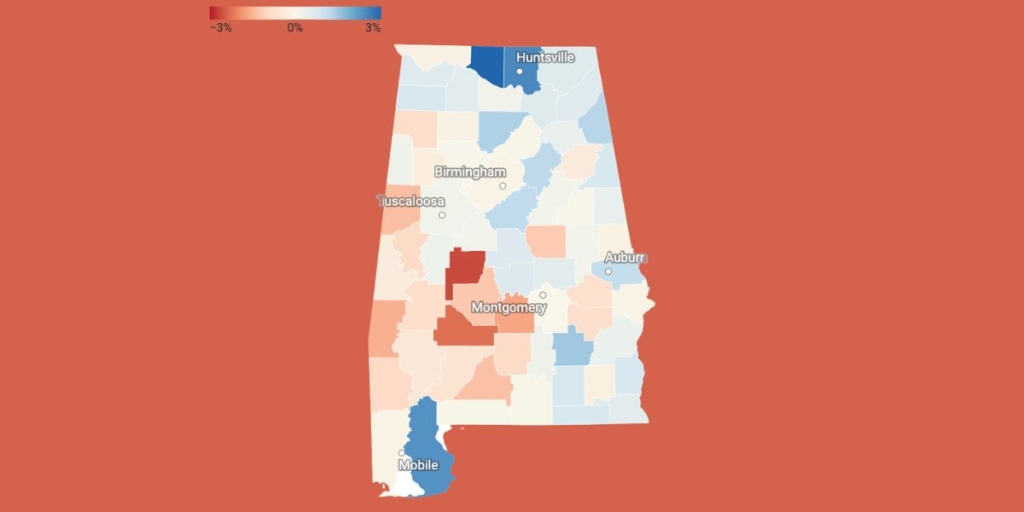
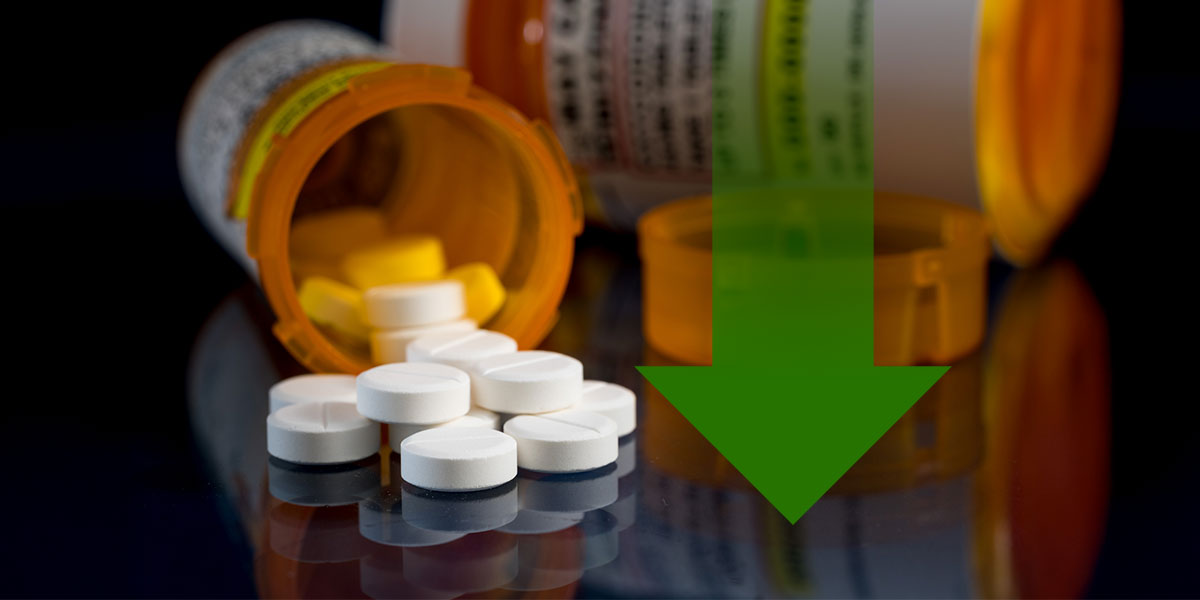
The Medical Association points to findings from a recent national report showing that opioid prescriptions in Alabama fell 46.2% between 2012 and 2024, while the average dosage strength of those prescriptions declined 58.7% during the same period.
The report also highlights changes in naloxone prescribing. Prescriptions for naloxone — a life-saving medication used to reverse opioid overdoses — increased 222.8% from 2018 to 2024, before declining 15.4% from 2023 to 2024 as the medication became available over the counter.
Alabama physicians have been actively working to reform opioid-prescribing practices for more than a decade. The Medical Association of the State of Alabama was among the first medical associations nationwide to offer formal training focused on safe, effective, and evidence-based opioid prescribing.
In partnership with the Alabama Board of Medical Examiners, the Medical Association offers three opioid-prescribing training courses each year for physicians and Advanced Practice Providers. Since 2009, more than 10,000 prescribers across the state have completed the training.
The Medical Association also strongly supported the U.S. Food and Drug Administration’s 2023 decision to make naloxone available without a prescription.
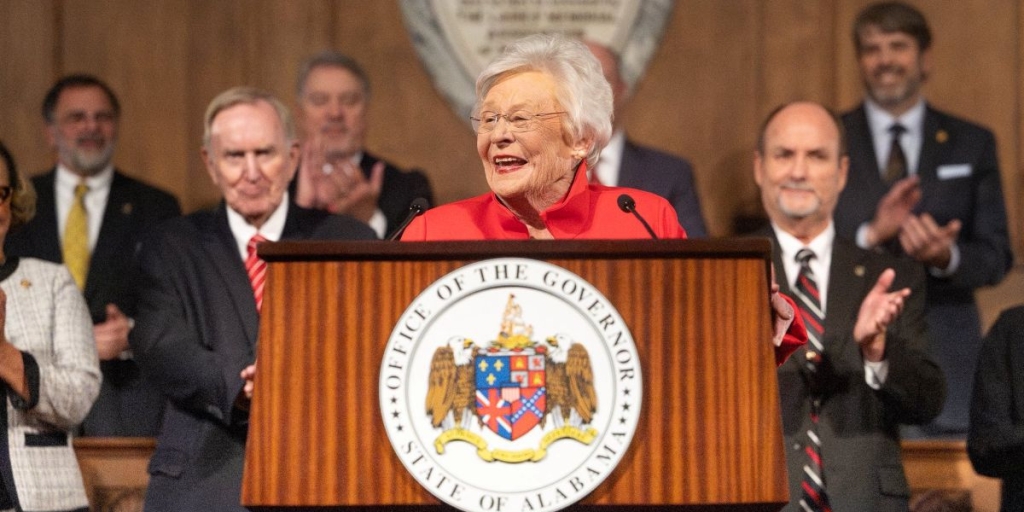
“Physicians have fundamentally changed how opioids are prescribed in Alabama,” said Dr. Mark LeQuire, president of the Medical Association of the State of Alabama. “Doctors are using lower doses, prescribing opioids more selectively and emphasizing alternative treatments whenever possible – all while continuing to care for patients who legitimately need pain management. At the same time, the overall increase in naloxone prescriptions reflects a clear commitment to preventing overdose deaths and saving lives.”
Physicians in Alabama say continued education and access to treatment services remain essential as the state works to further reduce opioid-related harm.
Sherri Blevins is a staff writer for Yellowhammer News. You may contact her at [email protected].