A proposed data center that could become one of the largest industrial developments in Lowndes County history is raising questions that extend far beyond economic development.
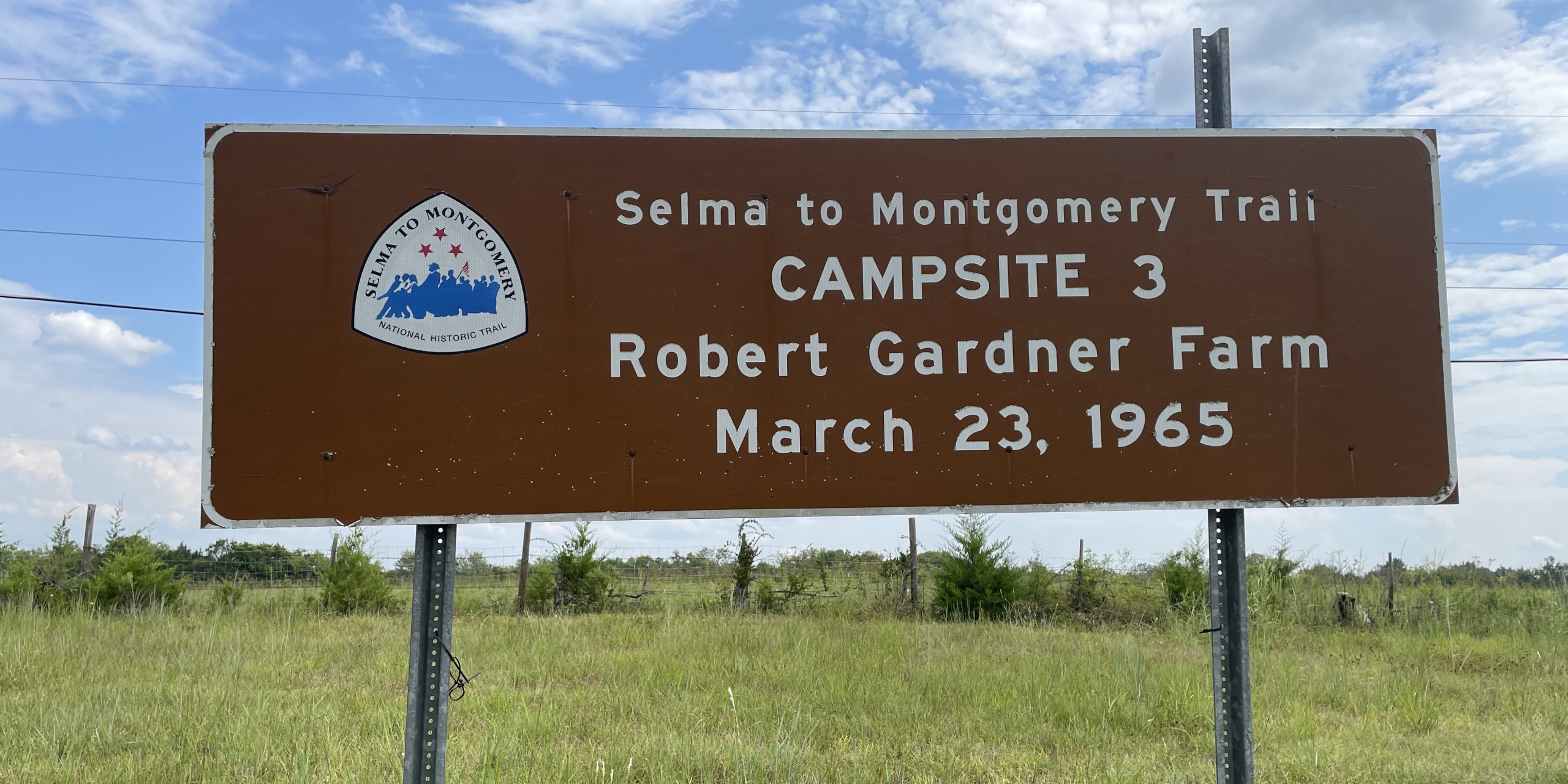
Half a mile from a field where Selma-to-Montgomery marchers camped in 1965, county commissioners have debated whether to make a tax abatement of up to 30 years available for a project whose future owner and operator have not been identified.
Houston- and Seattle-based Cloverleaf Infrastructure launched in 2024 with more than $300 million from private equity investors. The company has assembled more than 800 acres in northeast Lowndes County for the proposed development known as Project Red Clay.
Yellowhammer News first reported in April that Cloverleaf had quietly assembled the property while meeting with local officials about the development.
Cleanview, an industry tracker of American power and data center projects, lists Project Red Clay as a planned 1,500-megawatt development encompassing 2.88 million square feet on approximately 800 acres.
Cloverleaf is a speculative developer rather than the company expected to own and operate the finished data center. It describes itself as a developer of clean-powered, ready-to-build sites that assembles land and secures power connections before transferring the project to an eventual end user.
Cloverleaf representatives have said the future operator would determine many of the facility’s final design specifications. The company has not publicly identified that operator.
Because Cloverleaf is developing the project for an eventual end user, any tax incentives approved for the development could ultimately benefit a future owner or operator that has not been named.
Although no formal tax-abatement request has been submitted, timing has become a focus of the public debate.
Under legislation signed by Gov. Kay Ivey in April, an abatement granted before Jan. 1, 2027, can run for up to 30 years. Abatements granted after that date generally will be limited to 20 years, with an additional 10 years available only if the company meets specified investment requirements and enters a binding written agreement approved by the Alabama Department of Revenue, the Alabama Department of Commerce and the local governing body.
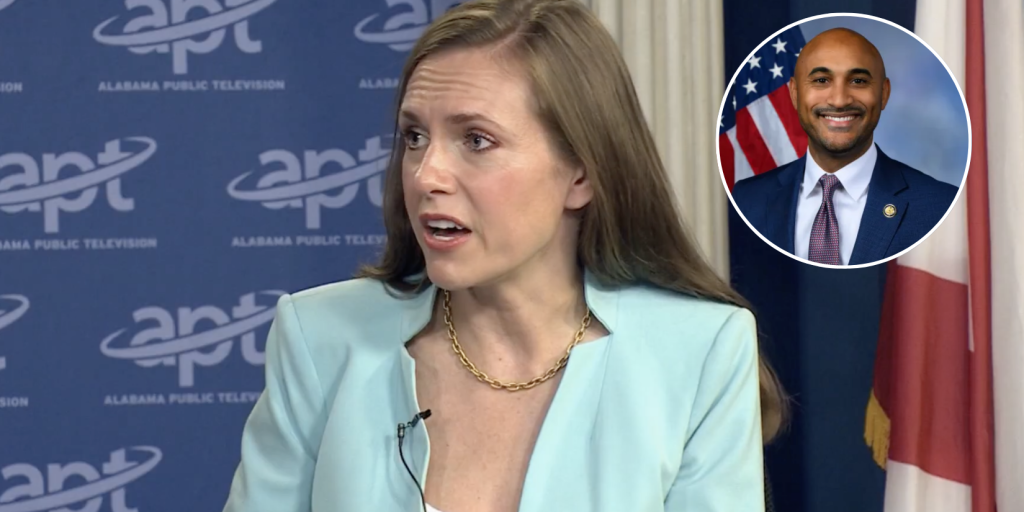
Commissioner Dickson Farrior has repeatedly argued that the county should take a 30-year abatement off the table.
At the commission’s April meeting, he unsuccessfully moved to deny any tax abatement before a formal request had been filed.
“It’s going to affect the people’s health, the property values, the quality of life… everything,” Farrior told The Lowndes Signal. “I want to go on record denying them any abatement.”
Farrior later introduced a resolution that would have ruled out granting an abatement to anyone other than the eventual owner-operator. The proposal was tabled June 8, tabled again June 22 and failed on a 3-2 vote in mid-July.
Commissioner Robert Harris has argued that the county should wait until developers formally request an abatement before considering any incentives.
Chairman Charlie King Jr. has defended the project’s electrical arrangements.
“The power bill will not go up,” King said in April. “They will pay their own charges.”
The debate, however, extends beyond taxes and economic development.
Just half a mile from the proposed project lies Campsite 3, where Selma-to-Montgomery marchers stopped for the night March 23, 1965, after walking through relentless rain.
Black farmer Robert Gardner opened his property to the soaked and exhausted marchers. Local volunteers spread hay across the muddy ground, and students from Tuskegee Institute provided dinner. Songs, prayers and speeches helped sustain the marchers before they continued toward Montgomery the following morning.
The property was listed on the National Register of Historic Places in 2023 for its significance in Black ethnic heritage and social history.
The proposed data center was first reported in April by The Lowndes Signal.
Rev. Tom Gardner lives along the proposed project’s boundary.
During the commission’s May 26 meeting, Gardner told commissioners that assurances he said he had received about the project, including its potential effect on nearby property values, had not matched what he later found.
“I’ve always been told that home ownership is a way that one can improve their lives,” he said. “You told me my prices were going to go up. And I read all over and the prices goes down.”
Days later, in a video posted to a public Facebook group opposing the project, Gardner said he had visited seven churches within two miles of the proposed site, asking pastors to encourage their congregations to attend Cloverleaf’s open house.
“Just come and help me save my four or five acres. The strings are tied on my property line.”
In the same video, Gardner repeated a statement that has circulated in Lowndes County about Cloverleaf’s willingness to leave communities where its projects are not wanted.
“Talking about they don’t go where they are not wanted,” he said. “Well, let’s make sure they know that they are not wanted in Lowndes County.”
Gardner was referring to language Cloverleaf previously used while pursuing another development.
“Cloverleaf will not work in communities where this type of development is unwelcome,” development principal Michael Evans wrote in a September 2025 email to local officials in Michigan. “A decision we will make 10 times out of 10.”
The company’s record since has been more complicated.
In Dundee, Michigan, Cloverleaf shelved its development agreement amid local opposition, although its project website has continued to describe the development as active. In January 2026, the company discontinued a proposed project in Greenleaf, Wisconsin, following community opposition.
Cloverleaf has said that commitments it makes publicly during the development process would be incorporated into enforceable agreements with the eventual operator.
Opposition has also drawn prominent civil rights voices. Former Alabama state Sen. and Southern Christian Leadership Conference President Dr. Charles Steele Jr. argued in a Yellowhammer News guest column that economic development and historic preservation do not have to be mutually exclusive.
RELATED: Dr. Charles Steele Jr. op-ed: Build it. Just not there.
Steele urged the company to build elsewhere rather than beside land he described as sacred ground.
More than 1,000 residents have signed a petition presented to the county commission. That represents more than 10% of Lowndes County’s population of approximately 9,300. Cloverleaf has not withdrawn from the project.
The road serving the proposed development is the Robert “Bob” Mants Jr. Memorial Highway, named by the Alabama Legislature in 2021 for the Student Nonviolent Coordinating Committee organizer who worked in Lowndes County during the voting rights movement.
Mants’ widow and daughter, Joann and Katanga Mants, wrote to commissioners opposing the proposed development.
“Lowndes County is not just any rural place,” they wrote. “It is sacred ground in the history of this nation.”
Historic preservation is not the only concern raised by opponents.
At the county’s April meeting, Jeff Berry, a Lowndesboro resident whose career has included building, managing and operating data centers for more than 30 years, warned commissioners that nearby residents could experience continuous fan noise known as acoustic roar.
“This is a very serious matter,” Berry said, “and this particular data center has no business at the proposed location.”
Opponents have also pointed to a recent legal battle in Virginia.
Prince William County approved data center rezonings covering approximately 1,760 acres near the Manassas National Battlefield in December 2023. Residents challenged the approvals, arguing that the county had failed to provide legally sufficient public notice.
The Virginia Court of Appeals upheld a ruling voiding the rezonings in March. On July 2, the last developer pursuing an appeal withdrew it, ending the project.
The Lowndes County debate now remains unresolved.
No tax-abatement request has been filed, no future owner or operator has been named and Cloverleaf has not withdrawn Project Red Clay. County officials and residents are left weighing the possibility of major economic development against concerns about noise, property values, transparency and the preservation of nationally significant ground.
According to the National Park Service, Robert Gardner and his family refused attempts to bribe them into turning the marchers away in 1965. When the attempted bribery failed, the family was threatened, and its phone and power lines were cut.
After the marchers left, a National Guardsman found a neighboring resident aiming a scoped rifle toward the Gardner farm.
Sixty-one years later, the property remains a landmark along the Selma-to-Montgomery National Historic Trail. Half a mile away, Lowndes County residents are waiting to learn whether commissioners will be asked to approve one of Alabama’s longest industrial tax abatements for a data center whose eventual owner and operator remain unknown.
The Lowndes County Commission is scheduled to meet again July 27.
Sherri Blevins is a staff writer for Yellowhammer News. You may contact her at [email protected].