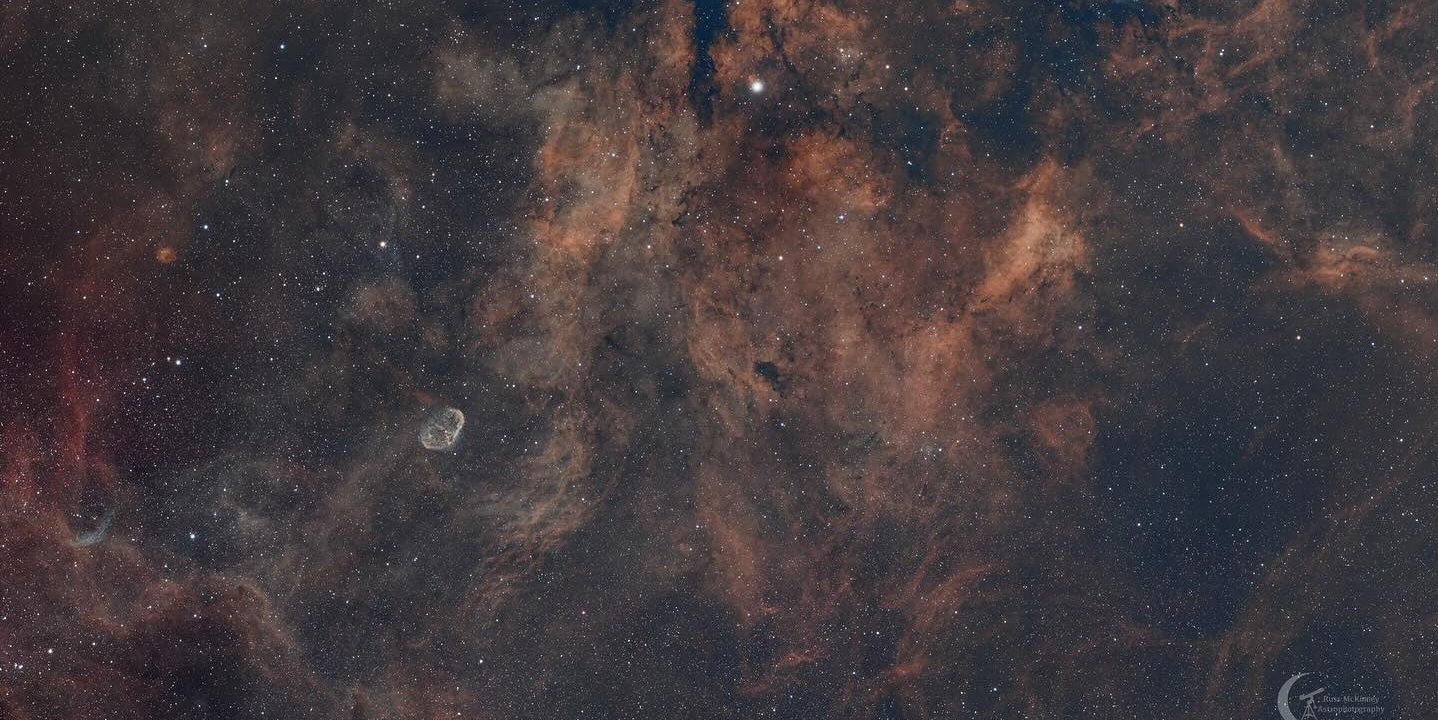
As Alabamians look ahead to warmer nights after the rollercoaster temperatures of early spring, the return of Milky Way viewing season offers another reason to spend time outdoors.
Stargazers across the southern United States can once again spot the bright band of our home galaxy stretching across the night sky from early spring through the fall.
According to astronomy guidance from the photography and night sky resource Capture the Atlas, the best opportunity to see the Milky Way in southern states like Alabama typically runs from late March through late September.
During that time, the brightest and most detailed portion of the galaxy — known as the Galactic Center — rises high enough in the night sky to be visible.
The broader Milky Way viewing season stretches from February through October, though the best views usually come on clear nights far from city lights.
Timing also plays a key role for those hoping to catch a glimpse of the galaxy. The best chance to see the Milky Way generally occurs between midnight and 5 a.m., when the sky is darkest and the galaxy is positioned higher above the horizon.
Nights with a new moon or minimal moonlight provide the clearest views because bright moonlight can wash out the faint band of light created by billions of distant stars.
The galaxy’s appearance in the sky also shifts as the season progresses. In late winter and early spring, the Milky Way is most visible in the early morning hours. By midsummer, it rises higher and can be seen during the middle of the night, while in early fall it may appear earlier in the evening.
Where you watch from can make a significant difference as well. Light pollution from cities and towns can obscure the Milky Way, meaning the best views are typically found in darker rural areas where artificial lighting is limited.
Several Alabama parks and national forest areas offer darker skies that are well suited for stargazing, including Little River Canyon National Preserve, Bankhead National Forest, Cheaha State Park and Conecuh National Forest.
Astronomy apps and online tools can also help stargazers plan their viewing. Programs such as PhotoPills allow users to track moon phases, sunrise and sunset times and the position of the Milky Way based on their location.
With the right conditions — clear skies, minimal moonlight and a dark viewing location — Alabama residents willing to stay up late or wake early may have the chance to see one of the most remarkable sights in the night sky: our own galaxy stretching across the heavens.
Sherri Blevins is a staff writer for Yellowhammer News. You may contact her at [email protected].