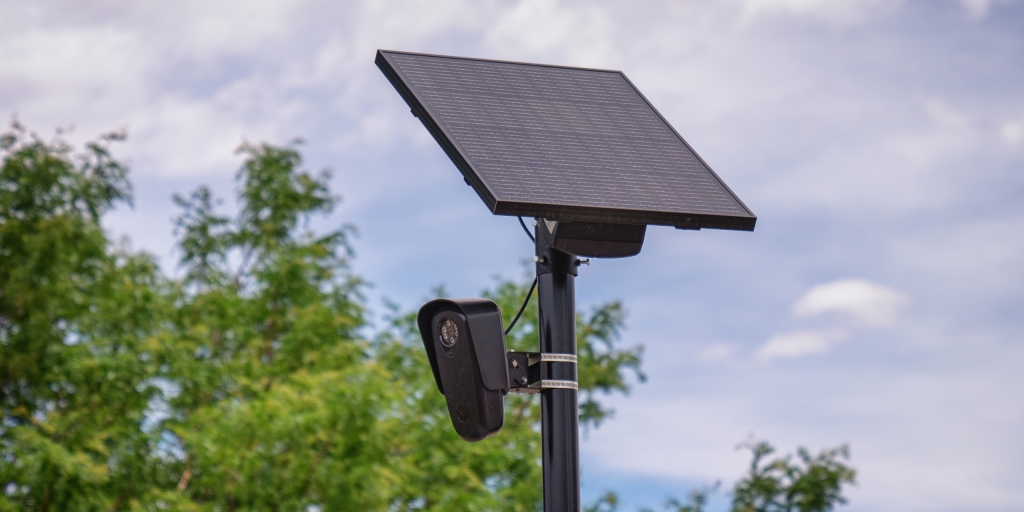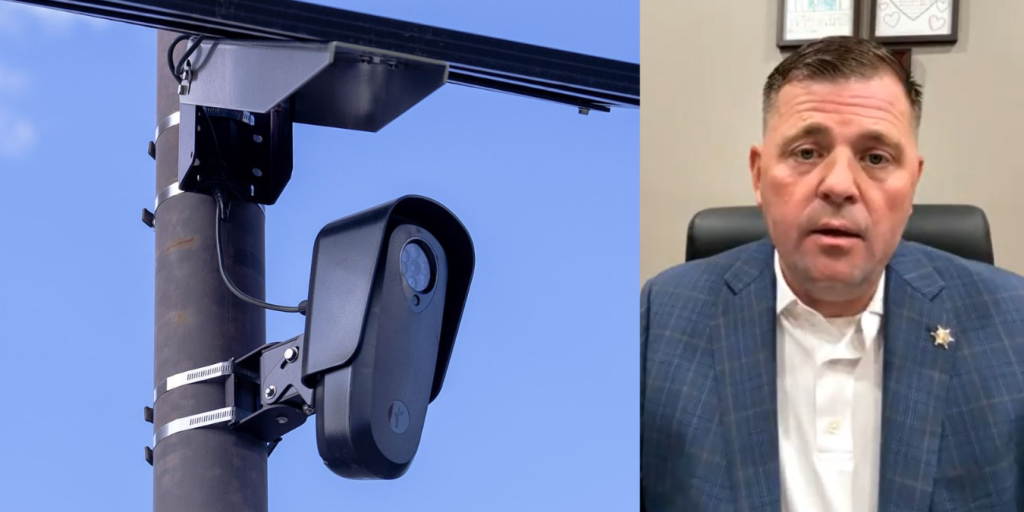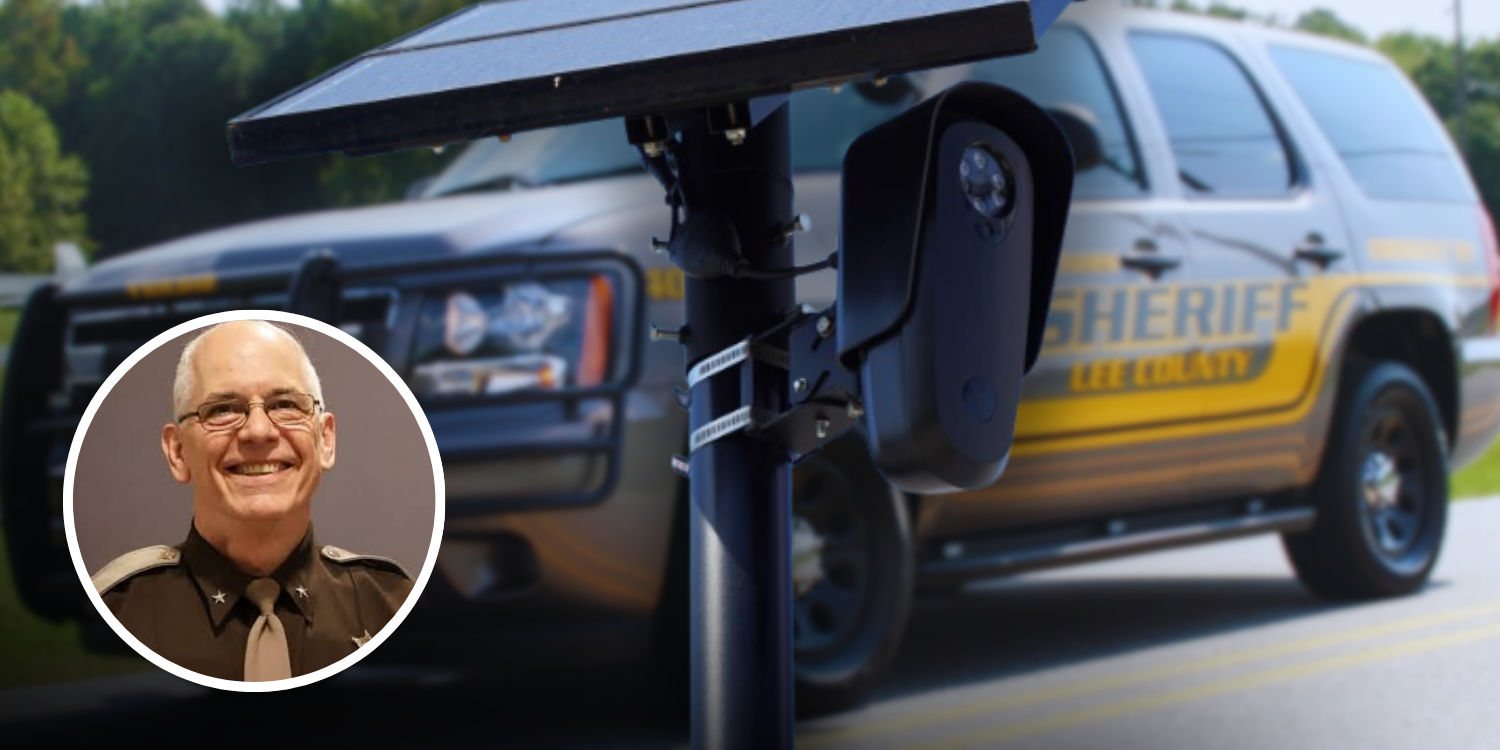
Three weeks after Lee County Sheriff Jay Jones went public praising Flock Safety for tightening privacy protections on its license plate readers, he has since fired a deputy for misusing them.
Jones, who has run the Lee County Sheriff’s Office since 1998 and lost his Republican primary in May, told WSFA last month that he welcomed Flock’s decision to shorten data retention and limit sharing between agencies. He has also pointed to the Aniah Blanchard case as an example of what the cameras are for.
“It should be protected; people’s information should be protected,” Jones said.
On Tuesday, Jones confirmed a deputy had been dismissed the week before after an internal audit found violations of the office’s rules for handling plate reader data.
“Several years ago, the Lee County Sheriff’s Office developed and implemented specific guidelines restricting the use of any automated license plate reader (ALPR) information to legitimate law enforcement purposes only, which includes Flock camera systems,” Jones said. “The deputy’s dismissal is an example of our commitment and previously stated public position to hold personnel accountable for violations of policies in place to protect the public.”
Jones did not name the deputy, say what the searches involved, or say whether the case has gone to the Alabama Law Enforcement Agency.
The audits are why these cases keep surfacing. Flock rolled out an AI-assisted audit tool in August and is requiring every law enforcement customer to use it by the end of the year.
Agencies that could previously review 30 days of activity at a time can now pull a year.
The same day Lee County confirmed its firing, a South Carolina sheriff’s office fired a second lieutenant over 62 unauthorized searches and three Georgia deputies resigned in Hall County.
The Washington Post counted at least 69 officers nationwide accused, charged or convicted of misusing plate readers.
Alabama is now the third such case in the state.
A Springville officer resigned and a Moody officer was fired earlier this summer after investigations into their LPR systems, with Moody’s findings turned over to ALEA to determine whether charges are warranted.
Some state lawmakers have already called for them to be banned, while others have suggested that new guardrails need to be put in place so they can continue to be used.
Yaffee is a contributing writer to Yellowhammer News and hosts “The Yaffee Program” weekdays 9-11 a.m. on WVNN. You can follow him on X @Yaffee