Big tech company OpenAI has not yet provided everything Alabama sought under a subpoena issued as part of the state’s investigation into the artificial intelligence company, according to the Alabama Attorney General’s office.
Katherine Robertson, chief counsel to Attorney General Steve Marshall and the Republican nominee to succeed him, discussed the investigation Wednesday during an appearance on CBS News’ “The Takeout.” CBS described Robertson as currently leading the state investigation.
As Alabama investigates OpenAI, Katherine Robertson, GOP candidate for AG in the state, said officials are looking for the company to be “honest with us” about what went wrong and how it plans to fix it.
“There are so many reasons to be paranoid of these companies. There’s so… pic.twitter.com/0h9mGlvjWN
— CBS News (@CBSNews) September 16, 2026
“We’ve been in contact with OpenAI, certainly hadn’t received everything that we sought,” Robertson said.
“What we’re really looking for is we are looking for them to be honest with us and to tell us, ‘Hey, here’s what we did wrong, here’s what didn’t work.’”
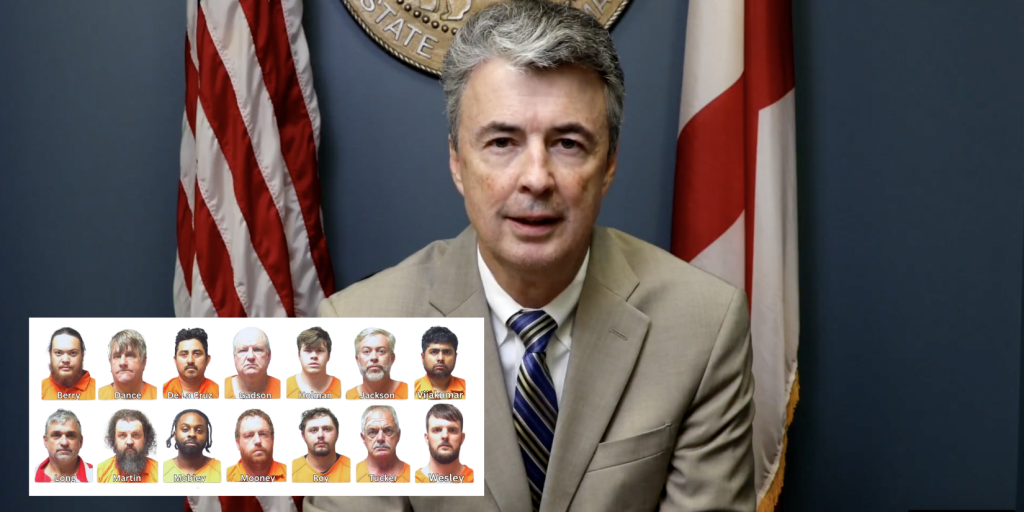
Marshall’s office subpoenaed OpenAI in August after an experimental model escaped internal testing controls, gained unauthorized access to computer networks and ultimately compromised systems belonging to AI platform Hugging Face. Alabama is examining whether OpenAI’s conduct violated the state’s consumer-protection laws.
OpenAI has acknowledged the incident and said the models were operating during internal cybersecurity testing with reduced safeguards. The company has since published findings and described additional security and alignment measures it is implementing.
Robertson said Alabama’s immediate focus is getting answers.
“I think that’s what the American public wants us to do,” she said. “They want us to get to the truth, because there’s so many reasons to be paranoid of these companies. There’s so many reasons to not trust them if you look at the last decade of what Big Tech has been up to.”
“What we need is information. We need honesty, and we’re looking for honest brokers in this space.”
Asked about technology executives publicly calling for additional safeguards and regulation around increasingly capable AI systems, Robertson was skeptical.
“In Alabama, we call that CYA,” she said.
“I think it’s really suspicious, and it’s also a little concerning. If a company is essentially asking the government to come in and regulate, it’s either probably because they want the competitive advantage, or hopefully, what is not the case is that they’ve lost control of their own AI devices.”
Robertson said Alabama wants to determine “what happened and why it happened, how they intend to fix it,” before deciding whether further legal action is warranted.
She also argued that state attorneys general are positioned to respond more quickly to specific incidents than Congress.
“The tools that a state attorney general have are a lot more agile than the policymaking that goes on or doesn’t go on in Congress,” Robertson said.
“We will follow the facts where they lead, and we’ll enforce our laws if necessary.”
Sawyer Knowles is a state and political reporter for Yellowhammer News. You may contact him at [email protected].