There is an old saying that time heals all wounds. In college football, particularly at Alabama, time is generally measured in Saturdays.
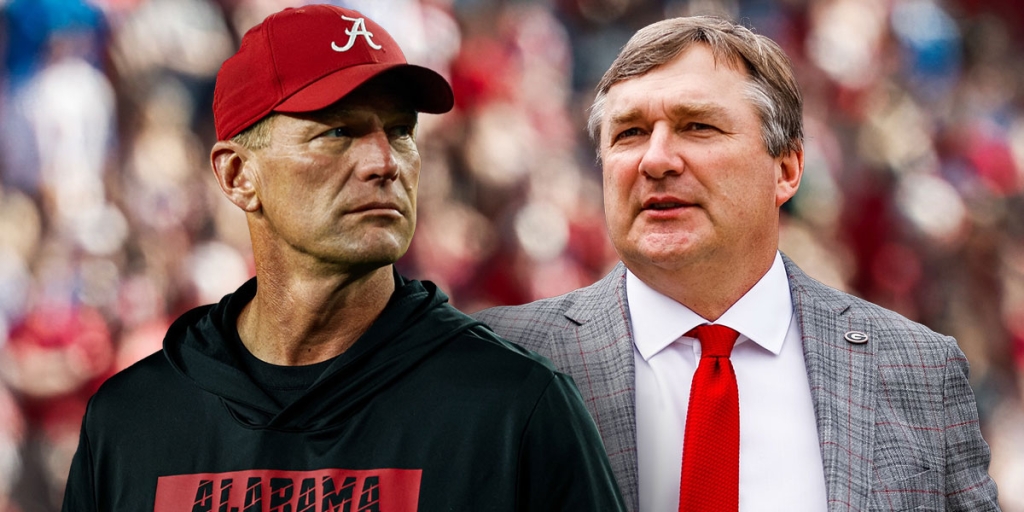
A week can change quite a bit. Just ask Kirby Smart.
It can turn doubt into belief, criticism into admiration and a coach who once seemed an uncomfortable fit into the man who might finally be ready to make a storied program his own.
It can also undo all of those things.
Such is the precarious nature of coaching football at Alabama, where the past is never particularly far away and the present is judged against a standard that leaves precious little room for explanation.
For Kalen DeBoer, the distance between acceptance and uncertainty turned out to be about 300 miles, the stretch of interstate separating Tuscaloosa from Knoxville.
Only a week ago, there was a growing sense that something had changed.
Even in defeat against Georgia, Alabama had seemingly turned an important corner. The Crimson Tide had shown enough fight, enough character and enough of an identity to suggest that DeBoer’s program was beginning to find itself.
Perhaps more importantly, DeBoer appeared to have finally won over a fan base that had spent much of his tenure trying to reconcile the present with the past.
The timing was significant.
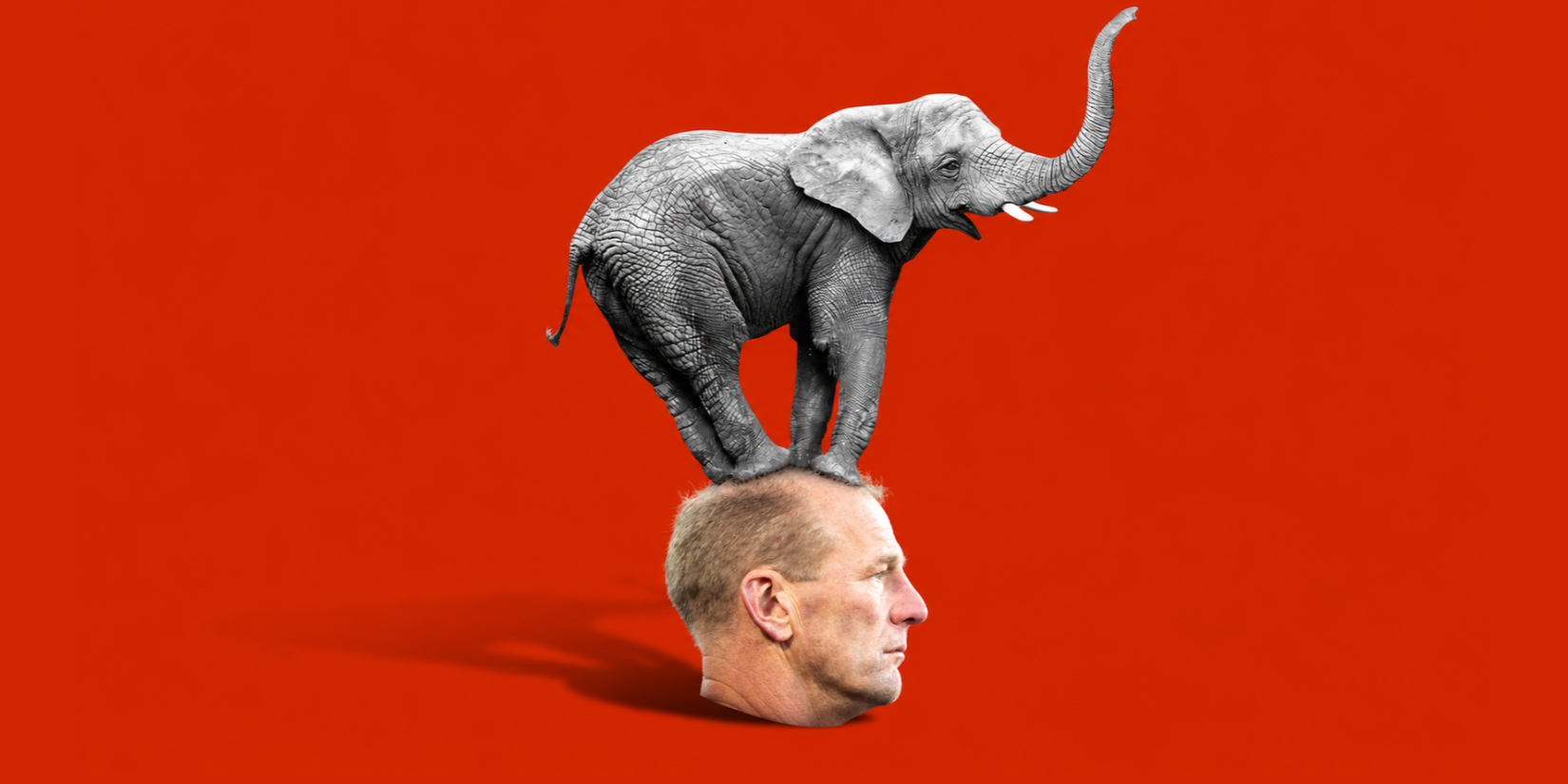
With the Nick Saban documentary bringing the remarkable achievements of the previous era back into sharp focus, DeBoer was once again coaching in the considerable shadow of his predecessor.
That shadow has never been particularly fair to him. It is also unavoidable.
Saban did not simply win football games at Alabama. He established an expectation of excellence so thoroughly that it became difficult to distinguish between what was extraordinary and what was normal.
For nearly two decades, Alabama fans watched a program that rarely appeared unprepared, seldom seemed overwhelmed and almost never allowed an opponent to dictate the terms of a game without offering a substantial response.
RELATED: Kalen DeBoer acknowledges Alabama standard: ‘I wouldn’t doubt’ titles define my tenure
Those memories do not disappear simply because the man responsible for them has retired.
Yet following Georgia, there was reason to believe that Alabama fans were finally prepared to stop looking backward.
DeBoer was not Saban. He was never going to be Saban. But perhaps he did not need to be.
Perhaps Alabama had found its footing under a different kind of leadership, with a different personality and a different approach.
For the first time, it seemed less like the program DeBoer had inherited and more like the program he was building.
Then came Knoxville.
And with it, the uncomfortable return of a familiar story.
Alabama’s 26-10 loss to Tennessee was troubling for reasons that extended well beyond the final score. The Crimson Tide was ineffective offensively, committed costly mistakes and failed to produce anything resembling a meaningful second-half response.
But the statistics, as unpleasant as they were, did not tell the entire story.
What troubled Alabama fans most was how recognizable it all seemed.
There have been too many afternoons under DeBoer when Alabama has looked unprepared for the opponent standing across the field. Too many occasions when the Crimson Tide has absorbed the game’s first significant blow and spent the remainder of the afternoon struggling to recover.
Different opponents. Different stadiums. Different circumstances.
The same uncomfortable script.
Alabama gets punched in the mouth from the opening whistle. The opponent establishes the physical terms of the contest. The Crimson Tide struggles to find an offensive rhythm, commits mistakes that compound the original problem and eventually runs out of time trying to correct things that should have been addressed before kickoff.
There is a difference between losing a football game and appearing incapable of competing on the terms the game requires.
Alabama fans understand the former better than they are sometimes given credit for.
They have seen great teams lose. Bryant lost games. Stallings lost games. Saban lost games, including some that were difficult to explain and others that were painful to remember.
Defeat has always been part of college football, even at Alabama.
What those coaches generally provided, however, was the sense that their teams understood what was required of them.
That is the assurance Alabama fans are searching for now.
They can accept being beaten by a better football team. They can accept an opponent making an extraordinary play or a difficult afternoon in a hostile stadium.
What is considerably harder to accept is watching Alabama appear surprised by the physical nature of a Southeastern Conference football game.
Especially when it keeps happening.
That is the distinction DeBoer must understand.
The goodwill he had seemingly earned following Georgia was not based on the expectation that Alabama would never lose again. It was based on the belief that his team had finally established an identity, that the inconsistency which had marked portions of his tenure was giving way to something more dependable.
Saturday took much of that goodwill away.
Not because Tennessee won, but because Alabama offered so little evidence that the problems of the past had been corrected.
There is a temptation after a defeat like this to make sweeping declarations about the future of a coach or a program. Such judgments are usually premature and occasionally foolish.
DeBoer has accomplished too much in his career to be dismissed on the basis of one afternoon, or even two consecutive losses.
But neither can the recurring nature of Alabama’s struggles be dismissed as an unfortunate coincidence.
At some point, patterns become more revealing than individual results.
The responsibility for those patterns ultimately belongs to the head coach.
DeBoer’s challenge is not to recreate the Saban dynasty. That would be an unreasonable expectation for anyone, and it would ignore the profound changes that have reshaped college football.
His challenge is to establish something of his own that Alabama fans can recognize and trust.
A team that is prepared. A team that is physical. A team that responds to adversity with something more substantial than frustration.
Those are not unreasonable demands at Alabama. They are the foundation upon which the program’s greatest successes were built.
The season is not over, and there remains time for DeBoer and his players to change the direction of the conversation.
But the burden of proof has shifted once again.
A week ago, Alabama fans were beginning to believe they had finally seen enough to trust the direction of their football program.
Saturday reminded them of all the reasons they had been hesitant.
And that may be the most damaging consequence of what happened in Knoxville.
For a brief moment, Kalen DeBoer appeared to have stepped out of Nick Saban’s shadow.
Now, after another familiar and dispiriting defeat, he finds himself standing in it once again.
The problem is no longer that Alabama fans cannot let go of the past.
It is that the present keeps giving them reasons to remember it.
John Longshore is the co-host of Longshore & McKnight on Yellowhammer News.