When David Silverstein talks about The Pizitz, the pride in his voice is unmistakable. It’s there in the way he recalls the building’s long and winding narrative arc–from retail anchor, to vacant shell, to a living, breathing center of downtown Birmingham once again. That pride, evident in every detail of Bayer Properties’ restoration, echoes something much older. It points directly back to the man whose name still crowns the façade: Louis Pizitz.
For nearly 87 years, Pizitz department stores were woven into daily life in Alabama, especially in Birmingham. Their character, historians note, owed much to the personality of their founder, a man whose own life story was shaped by resilience, faith, and an unwavering belief in community.
How Pizitz took a chance on a new life
Louis Pizitz was born in Poland in 1867. Orphaned by the age of seven, he was educated in Hebrew school and, for a time, studied to become a rabbi. In 1889, he arrived in the United States with nothing. “When I reached New York, I did not have a dollar and walked around the streets for three days,” he later recalled in his autobiography. A chance meeting with a woman from his hometown led him to Georgia, where he worked as a jewelry peddler, studying English late into the night by the glow of a coal lamp. “It was rather a hard job,” he said, “but then if your living depends upon knowledge of how to speak the language, you will soon learn.”
By sheer determination, he saved $750 and opened a small store in Swainsboro, Georgia. He married Minnie Smolian, and within five years had accumulated $50,000. It was Minnie who urged him to think bigger. After traveling through the region, Pizitz set his sights on Birmingham—a city of 27,000 people, fueled by industry and possibility. He rented a storefront for $75 a month, though he admitted later that he was terrified of losing everything and returning to Georgia with nothing to show for it.
A heart of generosity
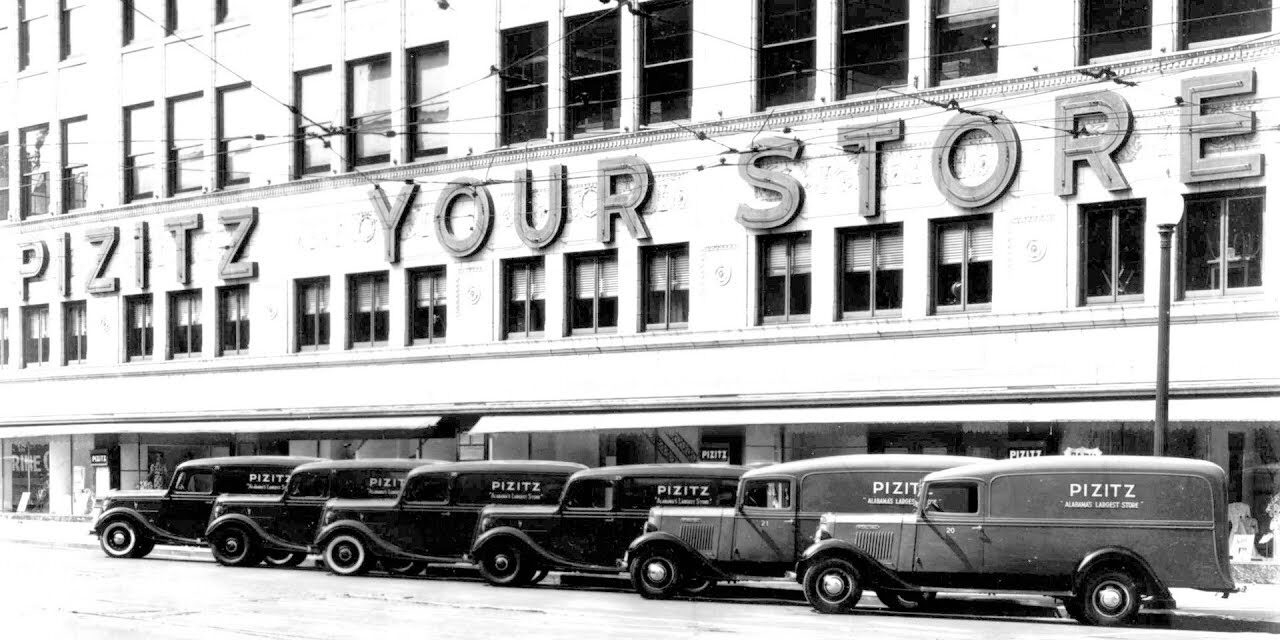
He wasn’t alone in seeing Birmingham’s promise. The success of Adolph Loveman, who had established Loveman’s department store downtown, reinforced Pizitz’s belief that the city was ready. His store caught on quickly, advertising itself as “The People’s Store,” and later, simply, “Your Store.”
That philosophy wasn’t just marketing; it was practice. Pizitz believed the heart of retail lived on the sales floor. His son Isadore would later explain that executives don’t make a store great; the people who serve the public do. Louis’s generosity became legend. When thousands of Alabama coal miners went on strike, he sent truckloads of food and clothing to their camps. During the darkest days of the Great Depression, he insisted on continuing a tradition of serving free Thanksgiving meals to anyone in need. In 1929, when many feared the worst, Pizitz employees—given the day off—showed up anyway to volunteer, serving meals in a makeshift dining hall inside the store.
From its earliest days, the Pizitz was more than a place to shop. It was a place to gather, a place for community, and most importantly, a place for everyone.
Louis articulated that belief publicly and plainly:
“I have faith in Birmingham. I have faith in you. I have shown my faith by investing all my life’s earnings in a building for you. I have faith in my buyers and in my merchandise. I have faith in my organization. I have faith that you, the Birmingham public, will support this wonderful institution, built with the vision of a greater Birmingham.”
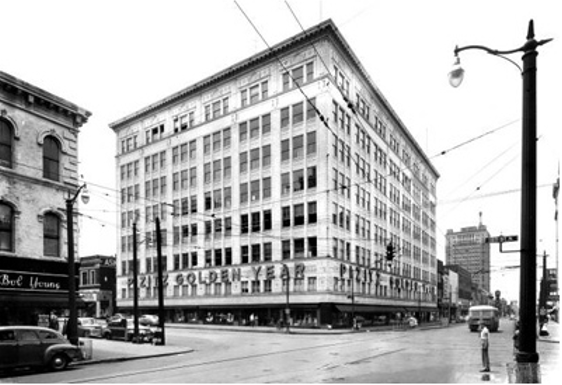
The building itself rose to match that vision. Constructed in phases during the early 1920s, the seven-story structure featured elaborate terra cotta detailing along Second Avenue and 19th Street. Even as the city endured the stock market crash and years of hardship, the Pizitz endured too. When a devastating fire tore through Loveman’s in 1934, the Pizitz became an emergency hub. Sales counters turned into hospital beds, and injured and exhausted firefighters rested in a makeshift triage area on the main floor. Louis supplied ambulances with linens and blankets and even used his private car to transport the injured, refusing to leave even when urged to go home.
A closure, but not a permanent one
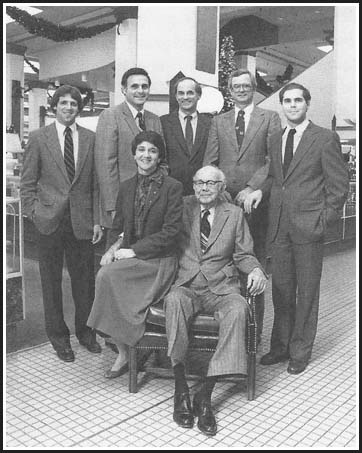
After World War II, the store evolved, increasingly shaped by Isadore Pizitz’s leadership. It became the official supplier of textbooks for Birmingham and Jefferson County schools, partnered with WBRC for seasonal broadcasts, and introduced traditions that became cherished memories—especially the holiday windows. Beginning in the early 1960s, “The Enchanted Forest” transformed downtown into a winter wonderland, delighting generations of Birmingham families.
But changing retail habits, suburban flight, and economic pressures took their toll. In the late 1980s, the downtown store closed, and the building went dark—another casualty of a shift that drained life from many American city centers.
By the time David Silverstein encountered it years later, the Pizitz was vacant—but far from forgotten.
“I remember attending the opening of the IMAX Theatre and looking across the street at the Pizitz building,” he said. “It was vacant, but it was so gorgeous—and it meant so much to downtown—that we felt we had to figure out what to do with it.”
Bayer Properties, led by Jeffrey Bayer and David Silverstein, acquired the building in 2000 and immediately began listening. A reunion of former employees and customers yielded hours of oral histories—stories of first jobs, holiday traditions, and a store that had once defined downtown life. When redevelopment plans moved forward a decade later, the approach was deliberate and exacting. The building was gutted to its concrete slabs, and seven floors of escalators were removed. A terracotta expert was brought in from San Francisco to assess the façade. It could be restored—and it was.
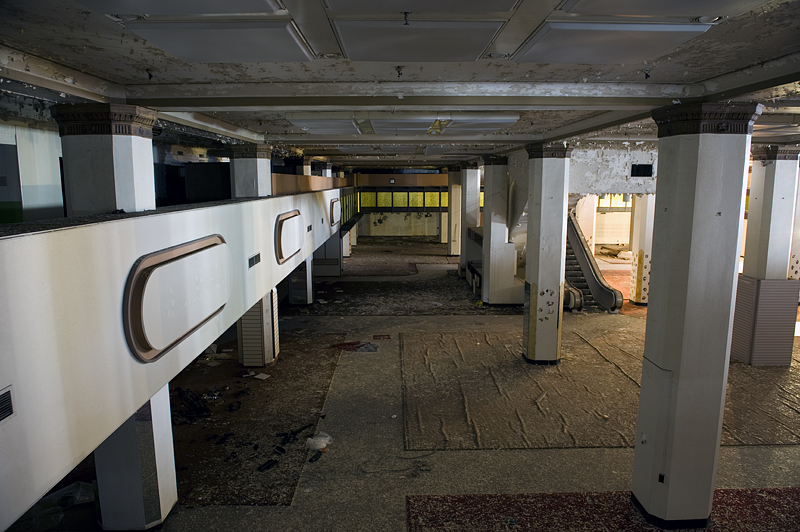
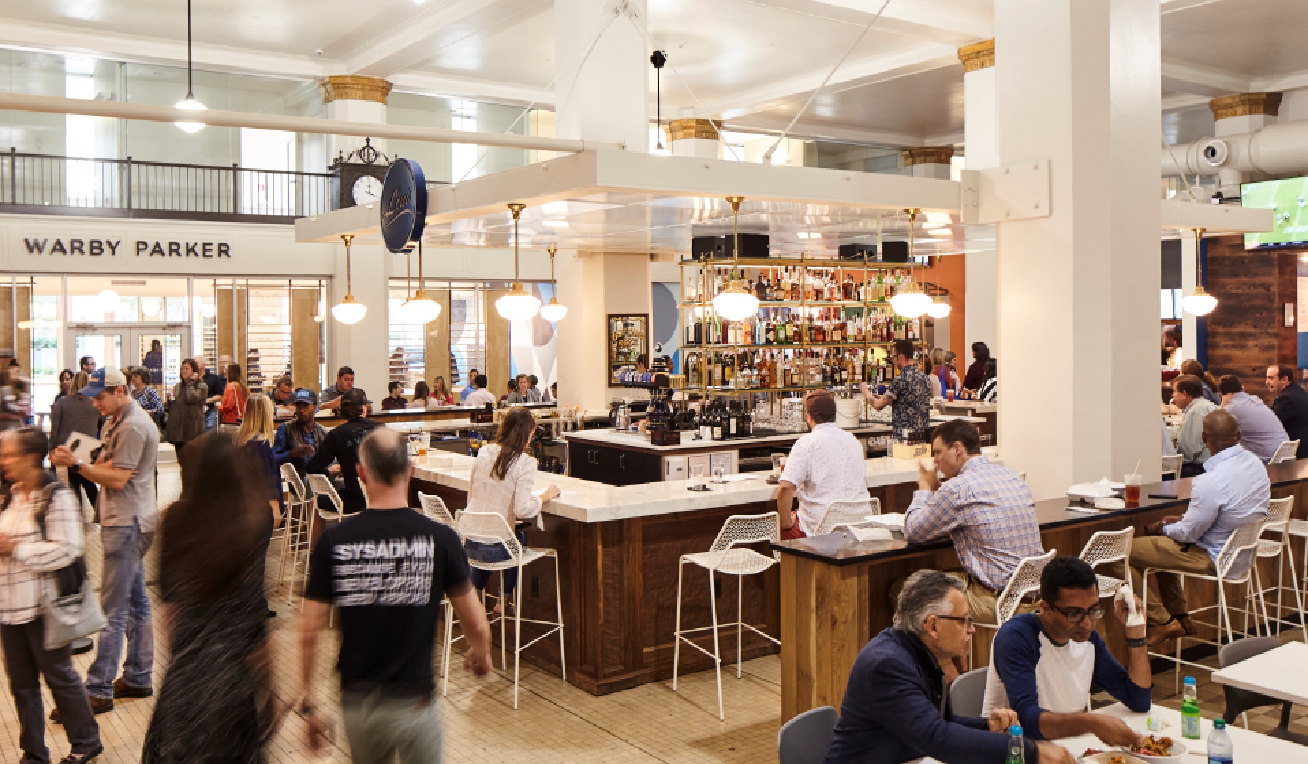
Along the way, history surfaced in unexpected ways. An old clock stamped with the initials “LP” was discovered and now lives on permanent display in the food hall, a quiet reminder that the past was still very much alive.
Where Birmingham gathers once again
Today, the Pizitz is once again a gathering place—reimagined for a new century. At its heart is the Pizitz Food Hall, a vibrant communal space that brings together a wide range of vendors, including B’Ham Chicken, Thai Esane, Broad Street + Nola Ice, Ono Poké, Silver Kati, The Spun Cow, The Standard, Unos Tacos, Pho Pho, and Rêve. Together, they create an environment that encourages community, conversation, and shared experience—an echo of the store’s original role as a crossroads of daily life downtown.
The building’s revival extends well beyond dining. The upper floors now house beautifully restored residences with modern amenities, including a rooftop pool, offering residents the rare opportunity to live inside one of Birmingham’s most storied landmarks while remaining closely connected to the energy below.
Cultural life remains central to the Pizitz’s identity. Sidewalk Cinema operates out of the building and has become a treasured fixture of the Birmingham community, offering independent films, screenings, and conversations that deepen the building’s role as a place for shared reflection. Nearby, Forge occupies another corner of the Pizitz’s future-facing mission. More than a coworking space, Forge is a community built around collaboration and impact—designed for people driven to see businesses thrive and ideas take root.
The Pizitz remains intensely community-focused, with ongoing programming ranging from yoga classes to film screenings and public events that keep the building active throughout the week. In this way, the structure continues to do what it has always done best: bring people together.
“To me, the Pizitz represents an acknowledgment of a wonderful past and an exciting future,” Silverstein said. “A commitment to excellence, to community, and to making sure our historic structures remain impactful in a positive way.”
At night, when the restored terra cotta glows against the Birmingham skyline, that commitment feels tangible. More than a century after Louis Pizitz invested everything he had in a city he believed in, the building that bears his name has life once again—not as a department store, but as a living, evolving place for Birmingham itself.
Courtesy of SoulGrown Alabama