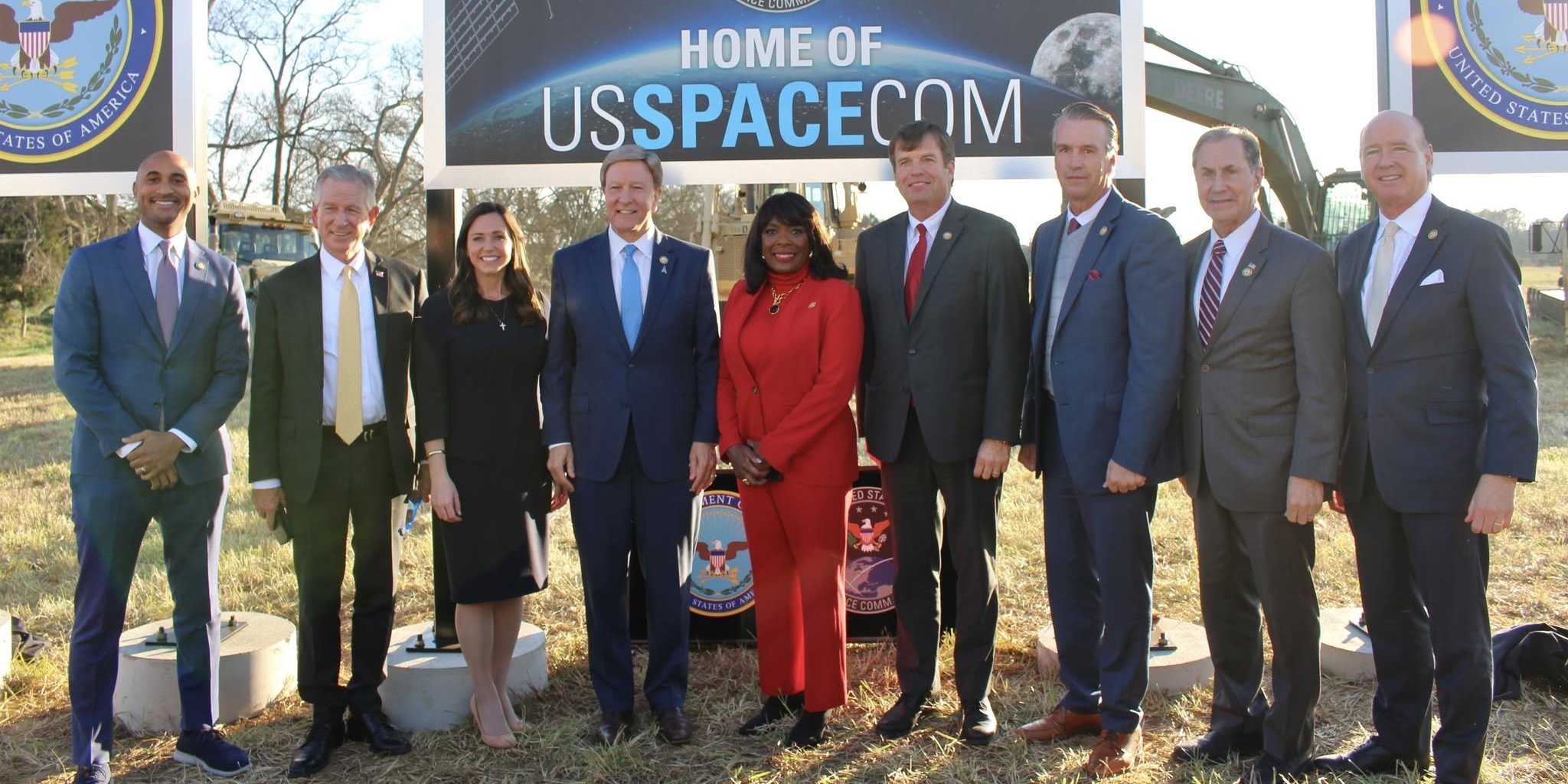
Every member of Alabama’s congressional delegation, Republicans and Democrats alike, signed a letter Monday telling the commission designing President Donald Trump’s U.S. Space Academy to put it in North Alabama.
U.S. Rep. Dale Strong (R-Huntsville) spearheaded a bicameral delegation letter to the Presidential Commission on the United States Space Academy, making the case that the Tennessee Valley’s concentration of military, NASA, research and aerospace assets makes the region well suited to become the academy’s permanent home.
“The Alabama Congressional Delegation stands united in support of the President’s vision to establish the United States Space Academy, and we believe there would be no more qualified place than North Alabama to undertake this critical mission,” the delegation wrote.
President Donald Trump established the Presidential Commission on the United States Space Academy through an August 28 executive order. The commission is charged with developing recommendations for the proposed NASA-led academy, which is envisioned as a way to train future astronauts, scientists, engineers, operators, entrepreneurs, civil servants and military personnel.
The commission has 120 days to make recommendations to the president on issues including the academy’s governance, curriculum, admissions requirements and graduate service obligations, as well as a process for selecting a permanent location.
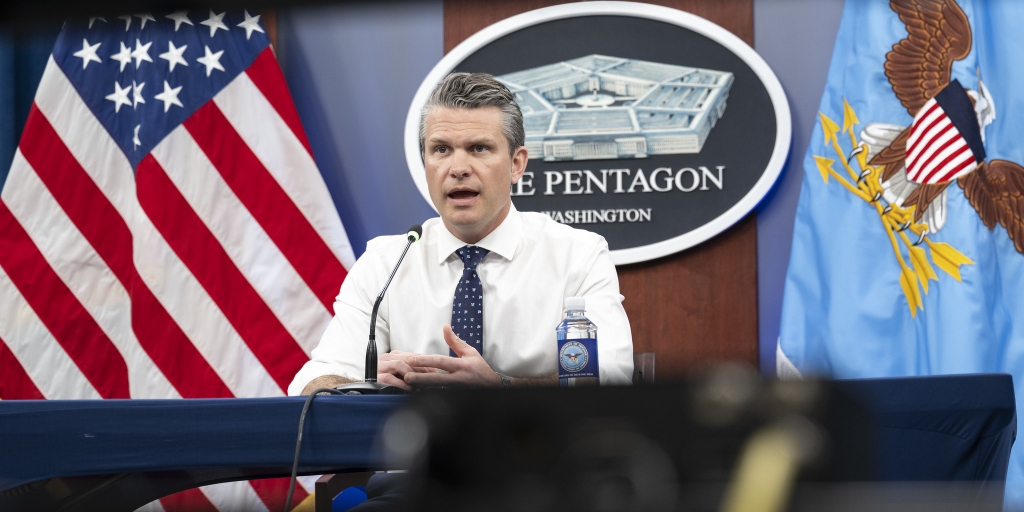
RELATED: U.S. Secretary of War visits Huntsville to mark future permanent Space Command HQ site in Alabama
Strong said North Alabama already has many of the resources needed to support such an academy.
“North Alabama is the natural home for the United States Space Academy,” Strong said. “We have the people, expertise, institutions, infrastructure, and capabilities to lead a world-class Academy that prepares the next generation to advance American leadership in space.”
The letter drew support from both of Alabama’s U.S. senators and the state’s House delegation, with members pointing to Huntsville’s longstanding role in the nation’s space and defense programs.
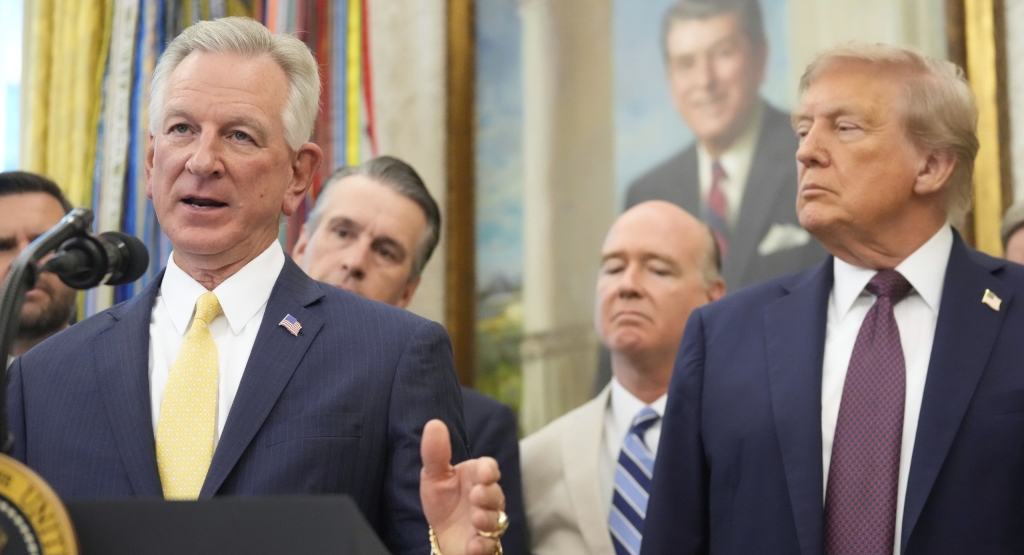
U.S. Senator Tommy Tuberville (R-Auburn) cited U.S. Space Command, NASA and the Missile Defense Agency, along with the region’s large aerospace and defense industry.
“There is no better place for President Trump’s U.S. Space Academy than the great state of Alabama,” Tuberville said. “We have the resources, infrastructure, and personnel to support this mission.”
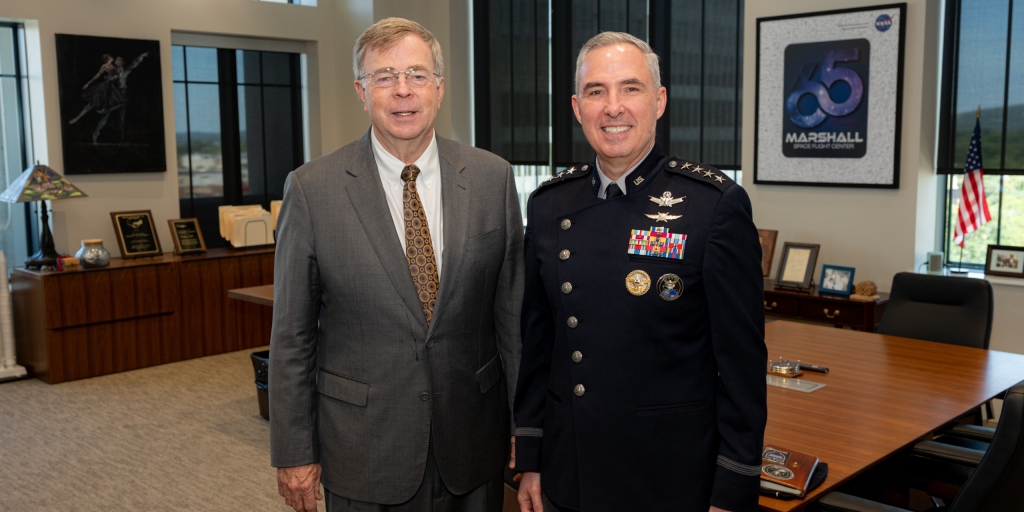
U.S. Senator Katie Britt (R-Montgomery) pointed to the combination of civil, commercial and national security space operations already concentrated in Alabama, including NASA’s Marshall Space Flight Center, U.S. Space Command, the Missile Defense Agency and U.S. Army Space and Missile Defense Command.
“Given these unparalleled assets and Alabama’s storied legacy of supporting America’s most complex space missions, locating the U.S. Space Academy in North Alabama would be a natural fit and exceptional asset to our entire nation,” Britt said.
U.S. Rep. Barry Moore, soon to be Alabama’s junior U.S. Senator, said the decision to locate U.S. Space Command headquarters at Redstone Arsenal adds to a network of military, industry and research institutions already operating in the region.
“North Alabama has been at the heart of America’s space program for generations, and there is no better place to prepare the next generation of American space leaders,” Moore said.
U.S. Rep. Robert Aderholt (R-Haleyville) similarly pointed to Huntsville’s history, from development of the rockets that carried the first Americans into space and later to the moon to the work continuing today at Marshall and Redstone Arsenal.
“That legacy continues today through Marshall Space Flight Center, Redstone Arsenal, U.S. Space Command, and a world-class aerospace workforce,” Aderholt said.
U.S. Rep. Gary Palmer (R-Hoover) said North Alabama already has the research institutions, infrastructure and workforce needed to support the academy.
“With NASA’s Marshall Space Flight Center, Redstone Arsenal, world-class research universities, and a highly skilled aerospace and defense workforce, Alabama already has the experience, infrastructure, and talent necessary to support the mission of the United States Space Academy,” Palmer said.
U.S. Rep. Mike Rogers, who serves as Chairman of the U.S. House Armed Services Committee, also cited Huntsville’s expanding national security space role, particularly the establishment of U.S. Space Command headquarters at Redstone.
“Alabama has a rich history in space exploration and continues to be a national hub of aerospace innovation,” Rogers said. “Especially given the recent establishment of Space Command Headquarters at Redstone Arsenal, I can think of no better place in the country to establish the United States Space Academy.”
The executive order does not designate a location for the academy. Instead, determining how a permanent location should be selected is among the issues the commission has been asked to address.
For Strong and the rest of Alabama’s delegation, the effort to put North Alabama at the front of that conversation is already underway.
Courtesy of 256 Today.