Affordability is often used as a political slogan, but in Alabama, it is a real, everyday concern for families, seniors, and businesses. And the truth is simple: affordability depends on stability: stable communities, stable jobs, and stable, reliable energy.
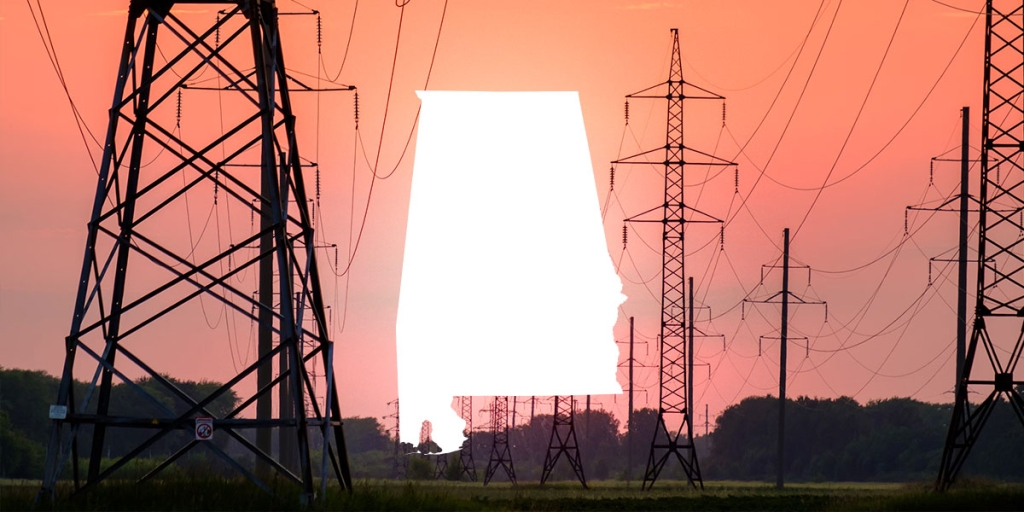
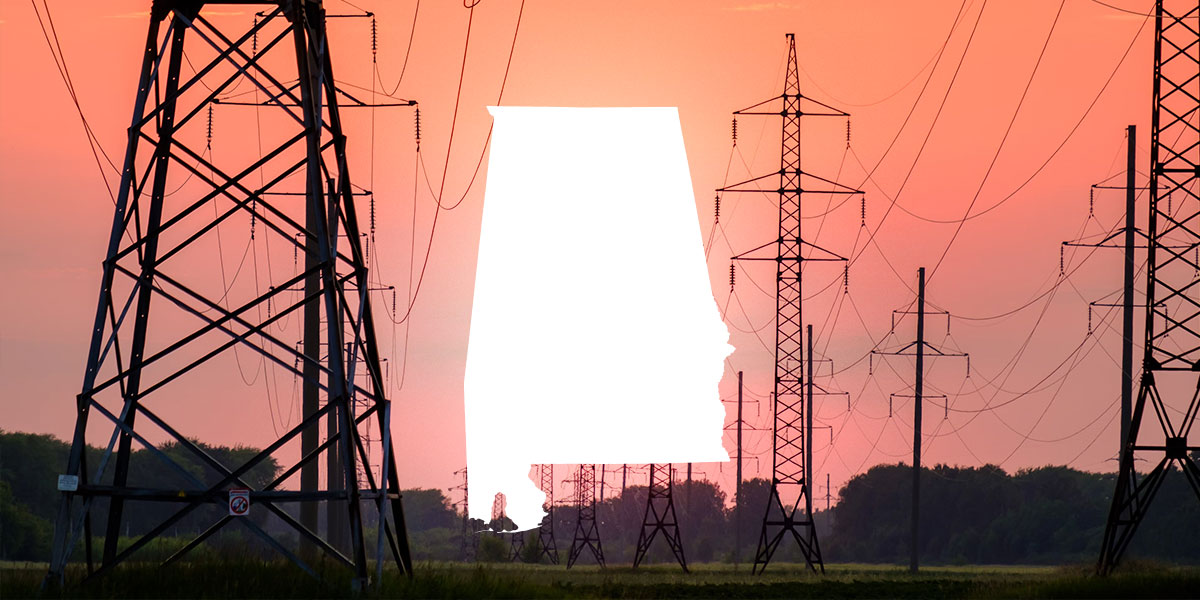
Energy is more than what comes through a power line. It is one of the most important economic engines in our state. It attracts industry, drives job creation, supports rural revitalization, and powers every sector of Alabama’s economy. When energy systems are strong, Alabama grows. When they are strained, everything becomes more expensive.
For decades, Alabama’s electric providers — PowerSouth, TVA, Alabama Power, cooperatives, and municipal systems — have invested in reliability, diversification, and long-term planning. That commitment has protected Alabama from the instability and price shocks seen in other states that rushed into politically driven energy policies without considering the consequences. Alabama’s balanced approach has been its competitive edge.
In recent years, state leaders have become essential partners in strengthening this foundation by passing major, forward-looking packages. In 2023, the Legislature passed The Game Plan to revitalize our economic incentives. They followed it in 2024 with Working for Alabama, a landmark initiative on workforce development. But the most important step for long-term affordability may be the 2025 Powering Growth package.
Powering Growth is not about regulation. It is about partnership, modernization, and positioning Alabama for economic expansion. The package is designed to reduce borrowing costs for major energy infrastructure projects, which ultimately lowers long-term expenses that influence the cost of energy. It also streamlines the approval process for using highway rights-of-way, allowing utilities to expand electric, fiber, and gas infrastructure more quickly and efficiently. That means faster project timelines, better connectivity, and stronger support for both rural and industrial development.
These improvements are not abstract. They help attract new industry, support advanced manufacturing, create high-wage jobs, and prepare communities for future growth. They make Alabama more competitive today, and more prepared for tomorrow.
This state-led partnership aligns with efforts at the federal level as well. President Trump’s “Speed to Power” initiative is focused on accelerating the nation’s ability to build energy infrastructure, and Alabama is already ahead of the curve. That’s why the Energy Institute of Alabama joined by Governor Ivey, Speaker Ledbetter, and Pro Tem Gudger recently encouraged the U.S. Department of Energy to study Alabama’s Powering Growth model as an example of how federal and state governments can work together to strengthen the nation’s energy backbone.
The issue of affordability has also received attention from leaders like U.S. Senator Katie Britt. Her continued dedication to supporting constituents throughout Alabama is notable. Politics aside, we all agree this is an area where thoughtful, long-term solutions matter most for communities, businesses, and economic competitiveness.
As the global energy landscape evolves, Alabama must continue prioritizing what has always worked: balanced planning, reliable service, and public policy that supports, rather than hinders, economic growth. That is how we ensure affordability, protect competitiveness, and keep Alabama one of the strongest states in the Southeast.
Affordability is not a partisan issue. It is a people issue. And protecting it means protecting the energy backbone, and the economic engine, that keeps Alabama strong.
Clay Scofield is the President and CEO of the Energy Institute of Alabama. He previously served as Majority Leader of the Alabama State Senate.