A new shark alert system designed to notify beachgoers of confirmed attacks along Alabama’s Gulf Coast is now officially in effect.
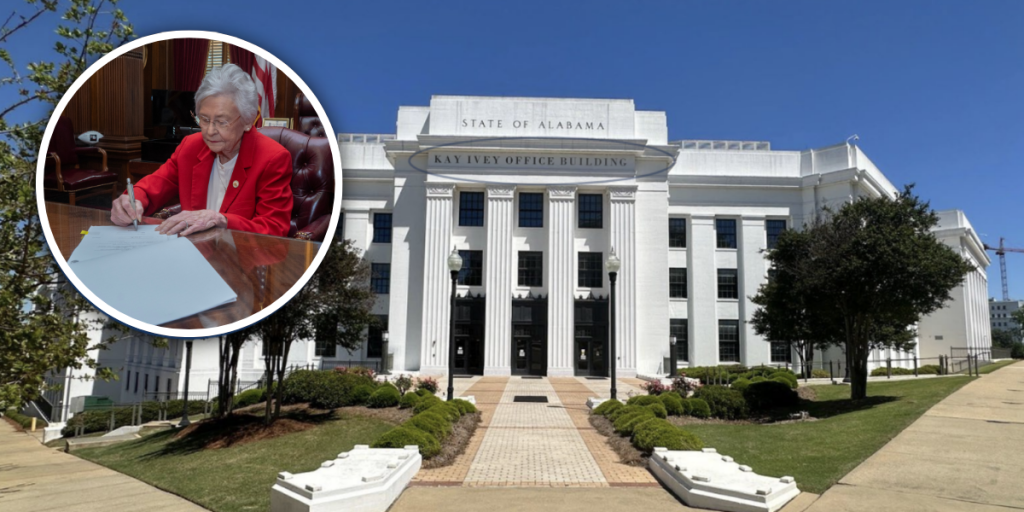
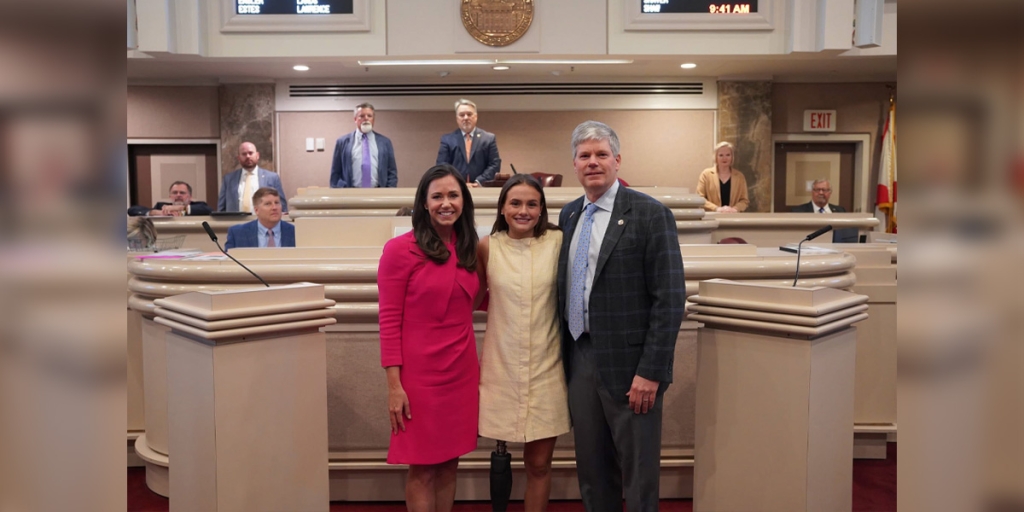
The Alabama Department of Conservation and Natural Resources (ADCNR) announced the rollout of the system under “Lulu’s Law,” signed by Governor Kay Ivey in 2025, establishing new safety protocols for Baldwin and Mobile counties.
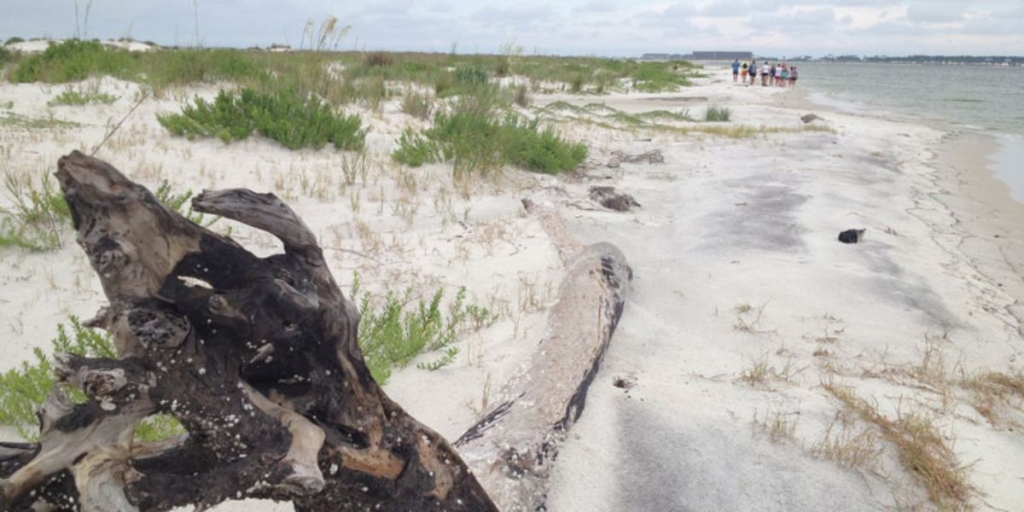
The system will send alerts to mobile devices and first responders when a confirmed unprovoked shark attack occurs near the shoreline, using FEMA’s Integrated Public Alert and Warning System (IPAWS). Local emergency management agencies will issue the alerts within designated geographic areas.
ADCNR Commissioner Chris Blankenship said coordination with emergency management agencies in Baldwin and Mobile counties is already in place.
“We hope we never have to use it,” Blankenship said.
The law takes effect April 13, though officials said the alert infrastructure has already been established.
The original bill included alerts for shark sightings, but lawmakers ultimately limited the system to confirmed unprovoked attacks.
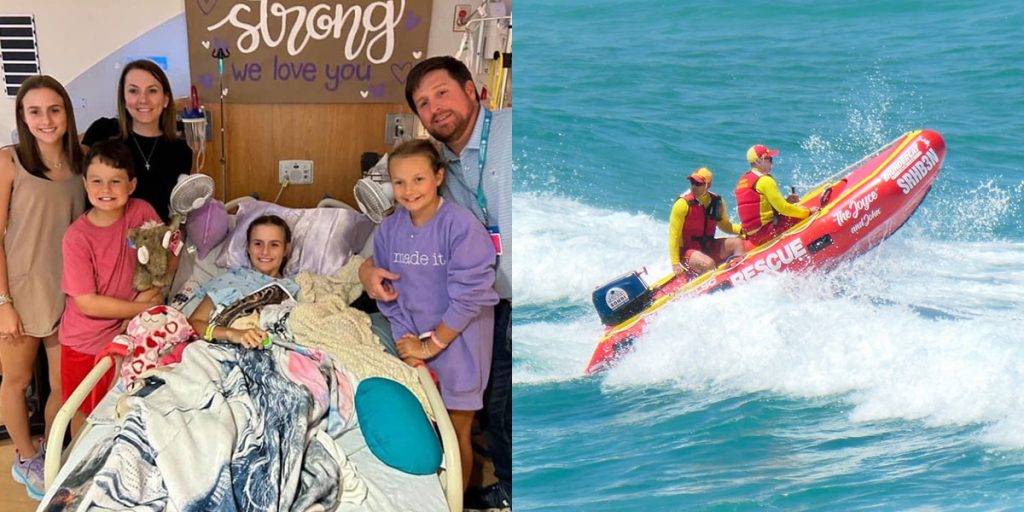
“Lulu’s Law” was inspired by Mountain Brook teenager Lulu Gribbin, who was severely injured in a shark attack on Florida’s Gulf Coast in June 2024. The attack occurred near Seacrest Beach in Walton County, roughly 100 miles east of the Alabama state line.
Gribbin lost her left hand and part of her right leg in the attack. Another shark attack occurred less than two hours earlier a few miles away, leaving a Virginia woman with severe injuries.
Officials have said shark sightings are not uncommon in Gulf waters, but attacks remain rare.
“The added tool of having a shark alert system will help officials keep our beachgoers safe and enjoying the refreshing waters of our Gulf of America,” Ivey said when signing the legislation into law.
The system is modeled in part on existing emergency alerts, such as Amber Alerts and severe weather notifications, and is intended to provide real-time information to both the public and emergency personnel in the event of a confirmed attack.
Sherri Blevins is a staff writer for Yellowhammer News. You may contact her at [email protected].