Two bills moving through the Alabama Legislature would prohibit health insurers from imposing deductibles, copayments, or coinsurance for specified breast and prostate cancer screenings, a change supporters say would improve early detection and access to care.
House Bill 300 and Senate Bill 19 both seek to remove cost-sharing requirements tied to certain cancer screenings covered under health benefit plans issued in Alabama.
HB300, sponsored by Rep. Frances Holk-Jones (R-Foley) and multiple House co-sponsors, would require health benefit plans that cover supplemental or diagnostic breast examinations to provide that coverage without imposing deductibles, copayments, or coinsurance.
The measure defines supplemental breast examinations to include imaging such as breast MRI, ultrasound, and contrast-enhanced mammography used for screening in patients at increased risk. Diagnostic breast examinations would also be covered without cost-sharing under the bill.
The legislation broadly applies to most group and individual health benefit plans issued, delivered, or renewed in the state, while excluding limited-benefit policies such as accident-only or Medicare supplement plans. House Bill 300 has passed the Alabama House of Representatives and now heads to the Alabama Senate for further consideration.
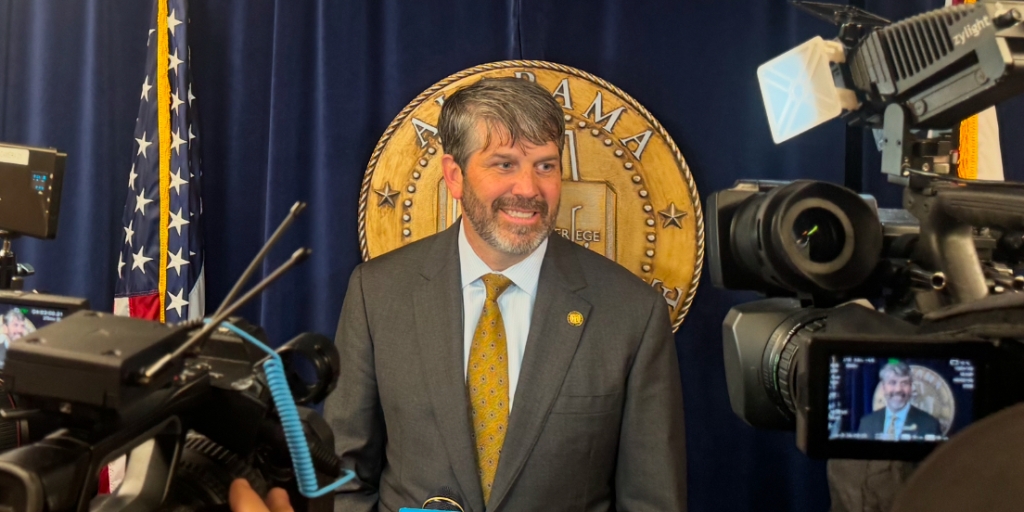
Senate Bill 19, sponsored by Alabama Senate Majority Leader Steve Livingston (R-Scottsboro), would amend existing state law relating to prostate cancer screening coverage. The bill recognizes certain groups of men as being at higher risk, including African American men and men with a first-degree relative who has been diagnosed with or died from prostate cancer.
Under SB19, health benefit plans would be required to cover prostate cancer screenings for high-risk men over age 40 and all men over age 50 without deductibles, copayments, or other cost-sharing requirements. The measure also prohibits insurers from reducing or eliminating coverage because of the law’s requirements and bars penalizing physicians for ordering care consistent with its provisions.
SB19 has passed both the Senate and the House and now will head to Governor Ivey’s desk.
Both measures would take effect Oct. 1, 2026, if signed into law.
Together, the bills represent a bipartisan focus among Alabama lawmakers on expanding access to critical cancer screenings during the 2026 legislative session.
Sherri Blevins is a staff writer for Yellowhammer News. You may contact her at [email protected].