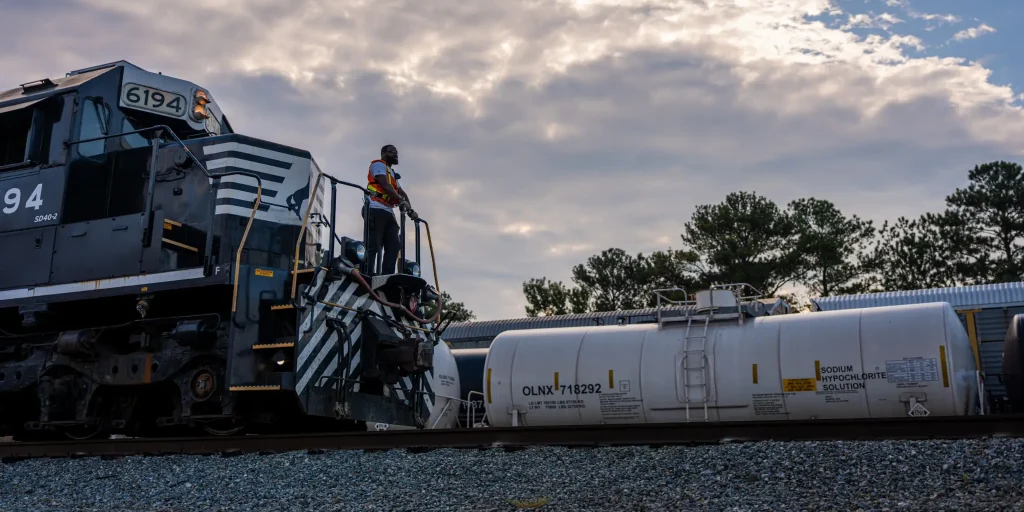
On Tuesday, the Alabama House of Representatives overwhelmingly passed HB181, a measure aimed at limiting the disposal of dredged material in Mobile Bay while maintaining dredging operations critical to the Port of Mobile and Alabama’s coastal economy.
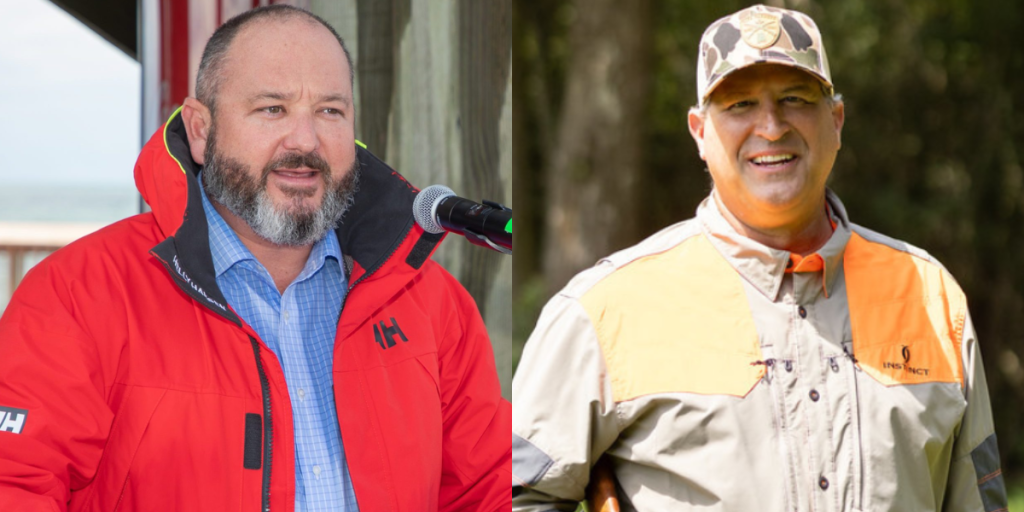
The bill, sponsored by State Rep. Rhett Marques (R-Enterprise), will restrict the practice of thin-layer dredge disposal, commonly referred to as “mud dumping,” while allowing continued dredging to keep the shipping channel navigable.
Then on Wednesday morning, the bill also cleared the Alabama Senate County and Municipal Government committee. Upstairs in the Alabama Senate, where it is expected receive a similar reception, State Sen. Chris Elliott (R-Josephine) is carrying the bill.
Environmental advocates have long argued that mud dumping harms the bay’s ecosystems, while lawmakers sponsoring the bill say it balances environmental protection with economic priorities.
In a statement following House passage, Marques said the legislation demonstrates Alabama can address environmental concerns without undermining commerce.
“Today’s unanimous vote proves we can stop irresponsible mud dumping in Mobile Bay while protecting our strong Alabama economy,” Marques said. “I am proud to sponsor this legislation and pass it through the Alabama House of Representatives.”
Environmental groups also welcomed the bill’s passage, citing concerns about damage to coastal habitats and fisheries.
“HB 181 just passed the House,” Mobile Baykeeper said in a social media post. “This is a major win for Mobile Bay and a real step toward ending mud dumping once and for all.” The group said dredged material disposal has “smothered oyster reefs and seagrass, damaging the very habitat our fisheries and coastal communities depend on.”
HB181 establishes new requirements for how dredged material from coastal waterways is handled, particularly in Mobile Bay.
Under the legislation, dredging would continue, but at least 70% of dredged material must be used for “beneficial use,” such as marsh creation, shoreline protection, habitat restoration, or industrial and commercial applications. Material deposited directly into public waters would not qualify as beneficial use unless tied to specific restoration projects.
Supporters say the measure closes a loophole in federal law that allowed dredged material to be classified as beneficial use even when disposed of in the bay.
Rep. Marques previously said he is committed to ensuring Alabama leads on coastal stewardship.
“I’m committed to protecting Mobile Bay and making sure Alabama leads on coastal stewardship,” Marques said. “This legislation reflects conservative principles: protect what drives our economy, use taxpayer dollars wisely, and follow the science on what works.”
State Sen. Chris Elliott (R-Josephine), who has partnered with Marques on the legislation, said the bill is intended to bring environmental and business interests together.
“Mobile Bay is one of Alabama’s greatest economic assets, and protecting it strengthens, not weakens, our business climate,” Elliott said. “These bills will ensure we maintain a navigable ship channel while adopting proven dredge-management practices that benefit our coast instead of harming it.”
Then on Wednesday morning, HB181 also cleared the Alabama Senate County and Municipal Government committee. It can be voted on and passed by the Alabama Senate as soon as Thursday.
State Sen. Elliot made a Facebook post on Wednesday about signing HB 181 out of committee saying, “Seeing this bill passed has been one of my top legislative priorities this session,” said Sen. Elliot. “Representative Rhett Marques has done a fantastic job shepherding this legislation through the House. We’ll get it across the line in the Senate.”
Supporters say the measure would place Alabama among several coastal states that have adopted policies regulating dredged material disposal, including Florida, Georgia, Louisiana, North Carolina, and Virginia.
Sherri Blevins is a staff writer for Yellowhammer News. You may contact her at [email protected].