A coalition led by the City of Tuscaloosa — including Hoover, Mobile, Mountain Brook, and more than a dozen other municipalities and school systems — has voluntarily withdrawn its legal challenges to Alabama’s Simplified Sellers Use Tax (SSUT), pausing the litigation while lawmakers reportedly work toward a legislative solution.
The City of Hoover has voluntarily withdrawn its legal challenge to Alabama’s SSUT, joining other cities and school systems that are stepping back from the lawsuit while legislative talks continue.
According to an official Hoover press release, the city agreed to dismiss its case without prejudice, preserving its ability to refile if negotiations in Montgomery do not produce what city leaders describe as a fair and timely resolution.
Tuscaloosa, which first filed the legal challenge last year and was later joined by additional cities and school systems across Alabama, said the move was a “good faith effort” to work side by side with the Legislature.
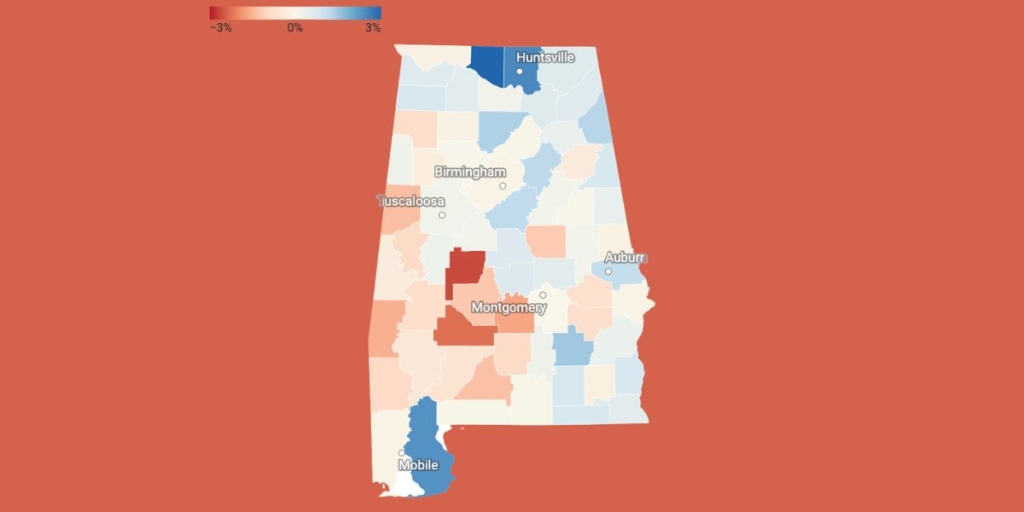
City officials say the current SSUT structure has created a significant financial impact. Hoover estimates it is losing roughly $10 million per year in online sales tax revenue under the SSUT distribution model.
Mayor Nick Derzis said the lawsuit was intended to force attention on what he called an unsustainable system but emphasized that a negotiated legislative outcome is preferable if it can be achieved.
“Whenever a mutually negotiated solution can be achieved, that is the preferred course,” Derzis said. “By dismissing our claims now without prejudice, we are giving the Legislature the opportunity to modernize this system in a way that protects Hoover and other municipalities while also safeguarding the State’s General Fund.”
Derzis added that Hoover’s position has not changed and that the city is prepared to return to court if needed.
“We expect meaningful reform. If the legislative path fails to deliver the fair resolution we expect, we will promptly refile our lawsuit and continue pursuing an equitable outcome through the courts.”
Tuscaloosa Mayor Walt Maddox similarly said that the pause in litigation is meant to open the door for a faster fix in Montgomery, while preserving the coalition’s legal rights if no solution emerges.
The SSUT, established in 2015, applies a flat statewide 8% tax rate to many online purchases regardless of where the buyer lives. Under the current law, SSUT revenue is split between the state and local governments, with the local portion distributed largely based on population — a structure the plaintiff cities argue redirects locally generated tax dollars away from the communities where purchases occur.
The lawsuit was led by Tuscaloosa and originally included Mountain Brook and Tuscaloosa City Schools; it later expanded to include additional municipalities and school systems: Alabaster, Foley, Gulf Shores, Hoover, Hueytown, Madison, Mobile, Montgomery, and Pelham, along with Alabaster City Schools, Florence City Schools, Huntsville City Schools, Madison City Schools, and Pelham City Schools.
Leaders from several cities have described the move as a good-faith step intended to reach a faster and more stable policy fix, with legislative leaders indicating they are now engaged on potential reforms.
Opposition to the lawsuit had come from county governments and other groups who warned the legal challenge could disrupt a major and growing state revenue stream; Alabama Daily News reported the SSUT revenue is approaching $1 billion per year and has become a key growth source in the General Fund.
For Hoover and the broader coalition, the focus now shifts from the courtroom to the State House, with city leaders saying they are ready to work with lawmakers but prepared to refile if reforms do not materialize.
Sherri Blevins is a staff writer for Yellowhammer News. You may contact her at [email protected].