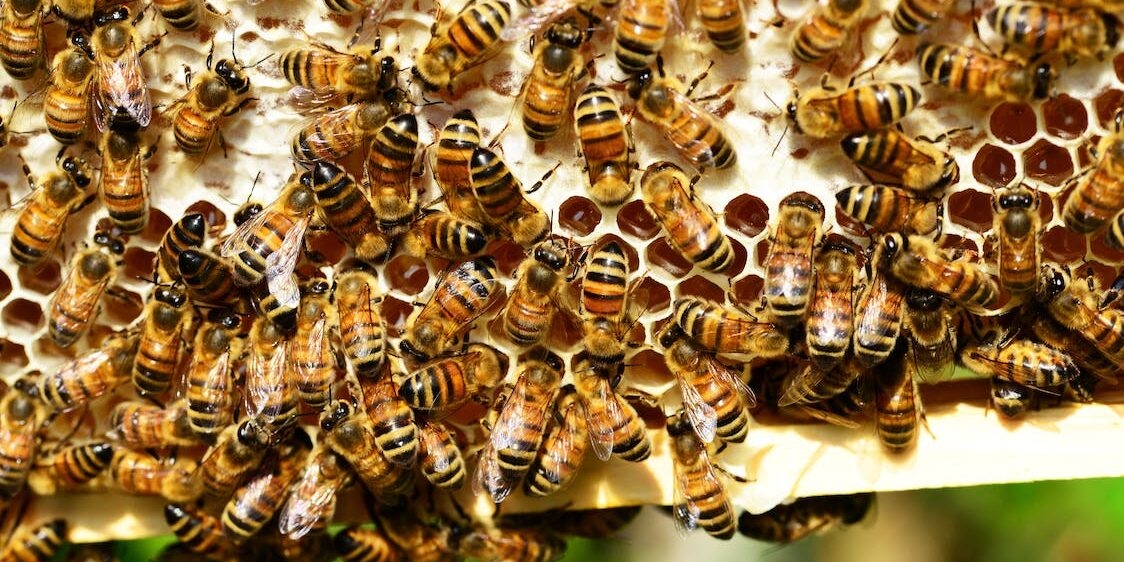
In Alabama, honey isn’t just a pantry staple—it’s a product deeply tied to the state’s farms, wildflowers, and of course, its people. From roadside stands to farmers markets, locally harvested honey connects consumers directly to the land and the beekeepers who care for it. Choosing honey produced in Alabama supports small agricultural businesses, strengthens rural economies, and helps sustain the pollinators that play a vital role in the state’s ecosystems.
 A Sweet Industry with Local Impact
Across the United States, honey consumption far exceeds domestic production. In 2024, it is estimated that American beekeepers produced about 134 million pounds of honey, while total consumption approached 689 million pounds. That means the majority of honey sold in the U.S. comes from international sources.
For Alabama beekeepers, this imbalance creates a challenging marketplace. Imported honey often sells at a much lower price, making it difficult for small domestic producers to compete. When consumers choose locally produced honey, they help ensure that beekeepers across the state can continue operating and maintaining healthy bee populations.
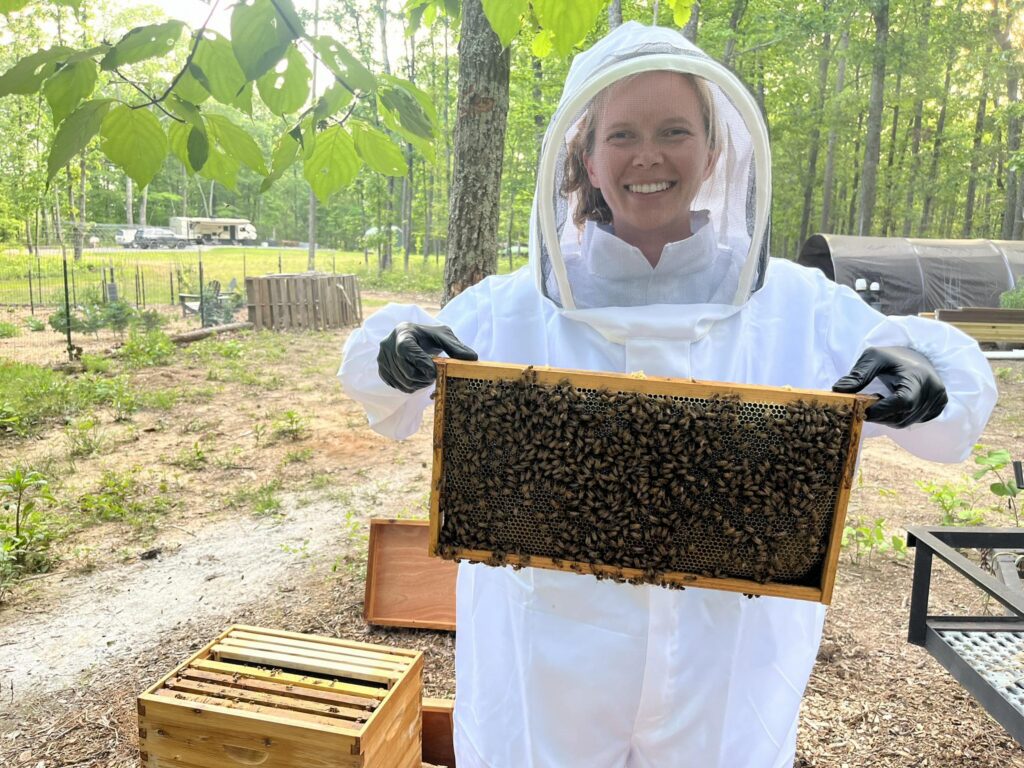
Supporting local honey also supports Alabama agriculture as a whole. Honeybees are responsible for pollinating many crops and native plants, helping maintain biodiversity and agricultural productivity across the region.
Understanding the Quality of Real Honey
Authentic honey contains naturally occurring compounds that contribute to both flavor and potential health benefits. These include antioxidants and antimicrobial properties that have been valued for centuries.
However, concerns have been raised in recent years about some imported honey products being diluted with added sweeteners or altered during processing. When honey is mixed with other ingredients, it can lose many of the qualities that make it unique.
Domestic beekeepers operate under stricter production and labeling guidelines, which helps maintain the integrity of the product. Buying from local producers gives consumers a clearer understanding of where their honey came from and how it was produced.
Honey That Tastes Like Home
One of the most interesting aspects of local honey is that it reflects the landscape around the hive. Honeybees typically gather nectar within a one- to two-mile radius of their colonies, visiting nearby flowers, trees and crops.
In Alabama, that could include wildflowers, clover, fruit blossoms, and other native plants. The result is a honey with flavor characteristics shaped by the region’s environment.
Because of this, every jar of locally harvested honey tells a story about the place it came from; like wine, honey is a way to taste the landscape and seasons of the region where it was produced. The variety is endless — honey produced in one part of the state may taste noticeably different from honey harvested just a few counties away.
Supporting Alabama Beekeepers
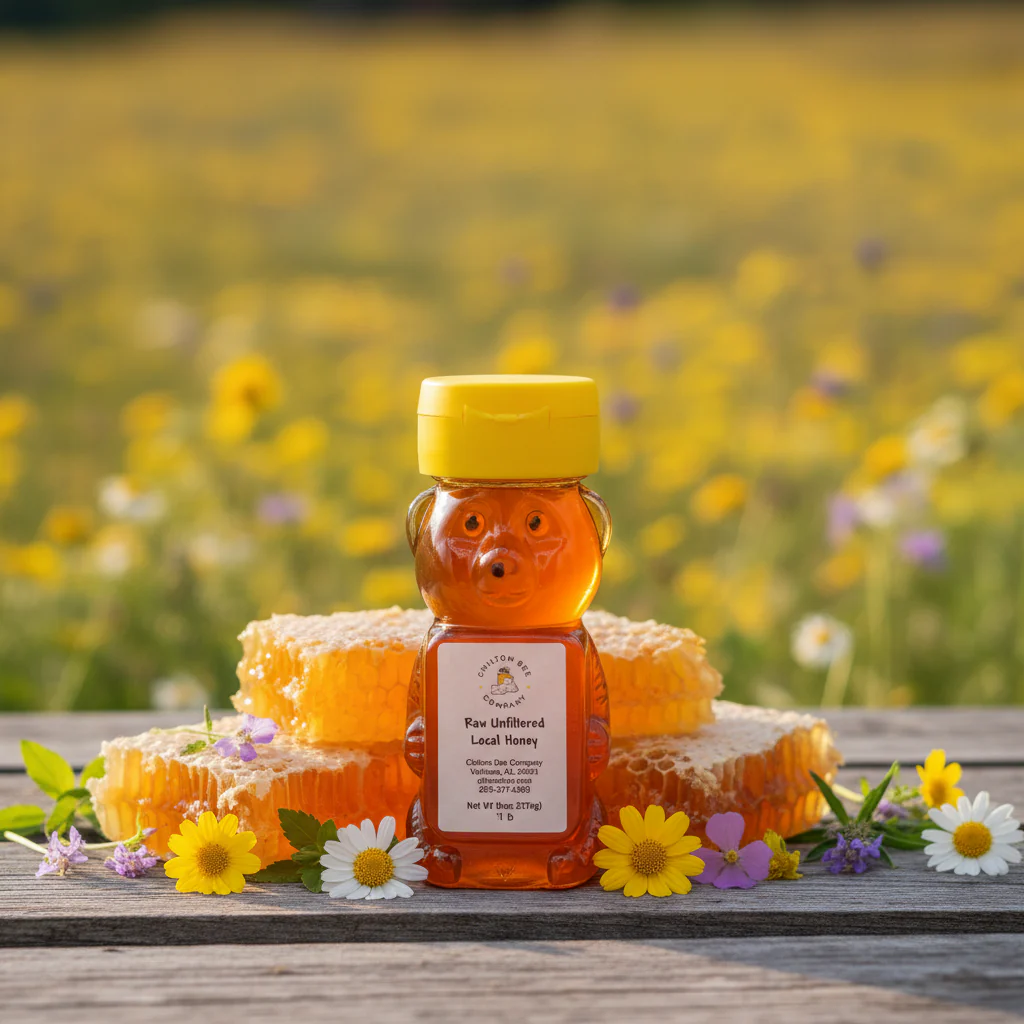
Buying local honey keeps dollars circulating within Alabama communities while supporting the beekeepers who manage and care for pollinator populations.
Producers like Honey Beeham, Chilton Bee Company, and Eastaboga Honey are part of a growing network of Alabama beekeepers working to provide high-quality honey while contributing to the health of the state’s ecosystems. Sweet Grown Alabama allows you to search for local honey near you with their product locator tool.
Beekeeping also supports a larger network of agricultural suppliers and small businesses. Many beekeepers purchase equipment, supplies and services locally, creating a ripple effect that benefits other industries in the region. Foxhound Bee Company in Birmingham offers beekeeping supplies, tools, and educational resources to start your own beekeeping at home.
Honey’s Long History as a Natural Remedy
Honey has been valued by cultures around the world for both culinary and medicinal uses. Modern research continues to explore its potential health benefits. Scientific studies have found that honey contains compounds with antibacterial, anti-inflammatory and antioxidant properties. Researchers have examined its potential applications in wound care, digestive health and other areas of wellness.
There are hundreds of recognized varieties of honey globally, each influenced by the types of flowers visited by bees. This diversity contributes to the wide range of flavors and characteristics found in honey produced in different environments.
A Simple Choice That Supports Local Agriculture
For Alabama consumers, choosing local honey is a small but meaningful way to support local beekeepers and the communities they serve. It supports the people who care for pollinators, helps maintain agricultural diversity, and ensures that the honey on the table is authentic and locally sourced.
Whether purchased at a farmers market, roadside stand or from a nearby beekeeper, Alabama honey represents the work of thousands of bees—and the dedication of the people who care for them.
Courtesy of SoulGrown