Across Alabama, criminals are exploiting a growing gap in consumer protection—and families are paying the price.
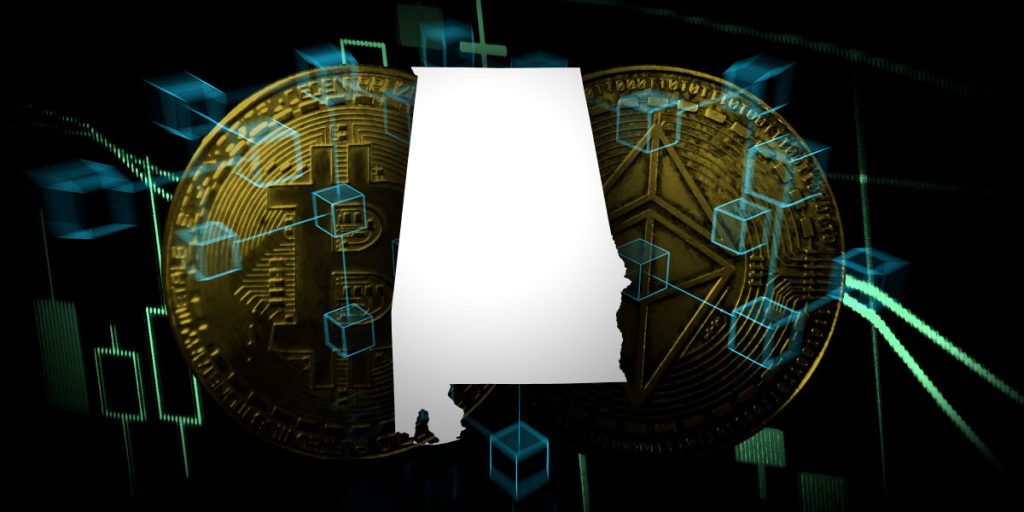
Cryptocurrency kiosks, often called “crypto ATMs,” are increasingly being used by scammers to steal hard-earned money from unsuspecting Alabamians. House Bill 303, the Cryptocurrency Kiosk Fraud Prevention Act, offers a commonsense solution.
Alabama lawmakers should act quickly and pass it.
Cryptocurrency kiosks resemble traditional bank ATMs and are often placed in familiar, everyday locations. While they can be used for legitimate transactions, scammers have learned how to misuse them.
Victims are commonly pressured by phone, text, or email to deposit cash into these machines to resolve a fake emergency—such as a supposed government fine, bank issue, or urgent family crisis. Once the money is transferred, it is nearly impossible to recover.
This problem is growing at an alarming rate. According to FBI data, more than 12,000 cryptocurrency kiosk fraud complaints were filed nationwide between January and November 2025, with reported losses exceeding $333 million.
In Alabama alone, the Alabama Securities Commission reports that residents have already lost millions of dollars to these scams, and cases continue to rise.
At AARP Alabama, we regularly hear from fraud victims and their families. For older adults—many living on fixed incomes—these losses can be devastating. Retirement savings that took decades to build can disappear in minutes. The emotional toll is just as damaging, leaving victims feeling embarrassed, fearful, and isolated. Fraud is a crime, and the responsibility belongs with the criminals—not the people they target.
House Bill 303, sponsored by Representative Russell Bedsole, takes a balanced approach. It does not ban cryptocurrency kiosks or stifle innovation. Instead, it establishes practical safeguards that protect consumers and deter criminal activity.
The bill requires clear disclosure of fees and exchange rates before transactions occur and mandates visible warnings on kiosks about how to recognize and report fraud. It ensures customers receive detailed receipts—critical for investigations—and sets daily and monthly transaction limits to prevent catastrophic losses.
It also requires live, U.S.-based, toll-free customer service and a direct law-enforcement contact line at all times.
Importantly, the bill creates a mechanism to refund lost funds when possible and prevents crypto kiosks from operating inside banks and credit unions, where their presence may falsely suggest institutional oversight.
Alabama would not be acting alone. Eighteen states have already taken legislative or regulatory action to address cryptocurrency kiosk fraud, and neighboring states are also pursuing consumer protections this year.
These states recognize that without reasonable guardrails, scammers will continue to exploit new technologies and consumers will continue to suffer.
Protecting Alabamians from fraud is not a partisan issue. It is about safeguarding people, families, and communities. As state director of AARP Alabama, I urge every member of the Alabama Legislature to support House Bill 303.
This legislation will protect constituents, strengthen confidence in emerging financial technologies, and send a clear message that Alabama will not tolerate financial exploitation.
The longer we wait, the more damage scammers will do. Alabama has the opportunity to lead—by acting now and passing House Bill 303, the Cryptocurrency Kiosk Fraud Prevention Act.
Candi Williams is the AARP Alabama State Director.